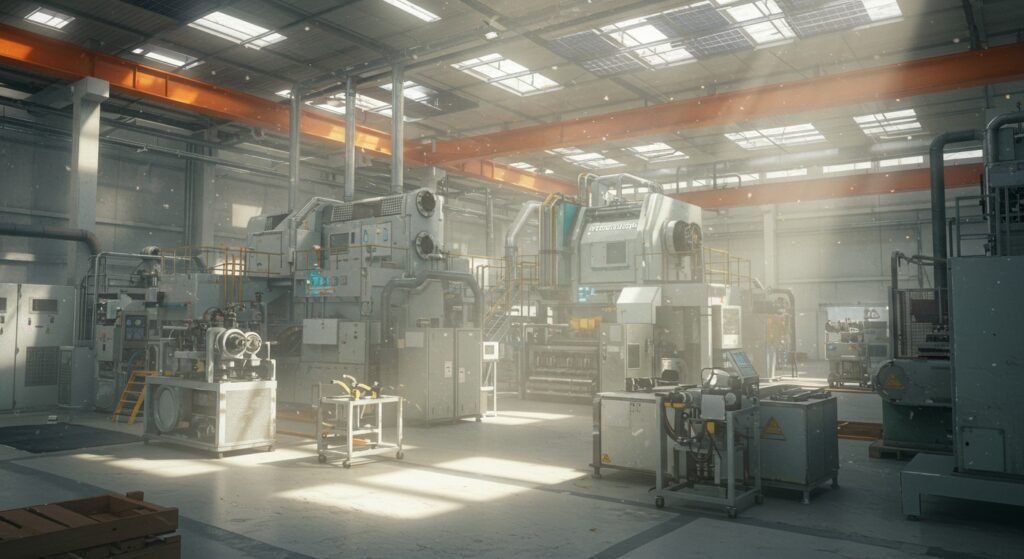
In an era defined by increasing environmental consciousness and resource scarcity, the manufacturing sector is undergoing a profound transformation. The adoption of Green Manufacturing Techniques is no longer just a niche concept but a critical imperative for industries worldwide. These innovative approaches aim to minimize negative environmental impacts while optimizing resource efficiency and economic viability. This article delves into the core principles and groundbreaking methods that are reshaping modern industrial engineering.
Table of Contents
- Introduction
- What are Green Manufacturing Techniques?
- Key Principles of Green Manufacturing
- Innovative Green Manufacturing Techniques
- Benefits of Adopting Green Manufacturing
- Challenges and Future Trends in Green Manufacturing
- Conclusion
What are Green Manufacturing Techniques?
Green Manufacturing Techniques, often synonymous with sustainable manufacturing, encompass a wide range of practices designed to reduce the environmental footprint of production processes. This includes minimizing waste, conserving energy, reducing pollution, and ensuring the efficient use of raw materials. The goal is to create products and processes that are environmentally friendly, economically sound, and socially responsible throughout their entire lifecycle, from design to disposal.
Key Principles of Green Manufacturing
The foundation of green manufacturing rests on several core principles:
- Pollution Prevention: Preventing waste and pollution at the source rather than managing it after creation.
- Product Stewardship: Taking responsibility for a product’s environmental impact throughout its lifecycle.
- Life Cycle Thinking: Considering environmental impacts from raw material extraction to end-of-life disposal.
- Resource Optimization: Efficiently using energy, water, and raw materials.
- Renewable Energy Use: Integrating solar, wind, and other renewable energy sources into operations.
Innovative Green Manufacturing Techniques

The manufacturing sector is constantly evolving, with new technologies and methodologies emerging to support greener production. Here are some of the most impactful Green Manufacturing Techniques being implemented today:
Resource Efficiency and Waste Minimization
This involves optimizing material use, reducing scrap, and implementing advanced recycling programs. Techniques like lean manufacturing, which focuses on eliminating waste in all forms, play a crucial role. For example, precision machining reduces material waste, and advanced robotics can optimize material flow, leading to significant savings and environmental benefits.
Renewable Energy Integration
Shifting from fossil fuels to renewable energy sources is a cornerstone of green manufacturing. This includes installing solar panels on factory roofs, utilizing wind energy, or purchasing renewable energy credits. Many companies are investing heavily in on-site renewable energy generation to power their operations, drastically reducing their carbon footprint.
Sustainable Materials and Product Design
Designing products with sustainability in mind from the outset is vital. This means selecting materials that are recyclable, biodegradable, or sourced from renewable resources. It also involves designing products for durability, repairability, and ease of disassembly to facilitate recycling. Bioplastics, recycled metals, and responsibly sourced timber are examples of sustainable material choices.
Closed-Loop Systems and Circular Economy
Moving away from a linear “take-make-dispose” model, closed-loop systems aim to keep materials in use for as long as possible. This involves robust recycling, remanufacturing, and refurbishment programs. The circular economy model, which is gaining traction, envisions an industrial system that is restorative and regenerative by design, promoting resource efficiency and waste reduction. For more insights on the circular economy, you can visit The Ellen MacArthur Foundation.
Advanced Manufacturing Processes
New manufacturing technologies offer inherent green benefits. Additive manufacturing (3D printing), for instance, can significantly reduce material waste compared to subtractive methods. Advanced robotics and automation can optimize production lines for energy efficiency and precision, leading to less material scrap and reduced energy consumption.
Benefits of Adopting Green Manufacturing
The advantages of integrating green manufacturing practices extend beyond environmental stewardship:
- Cost Savings: Reduced energy consumption, lower waste disposal costs, and optimized material usage lead to significant financial savings.
- Enhanced Brand Reputation: Consumers and stakeholders increasingly prefer environmentally responsible companies.
- Regulatory Compliance: Staying ahead of environmental regulations reduces legal risks and penalties.
- Innovation and Competitiveness: Green practices often spur innovation, leading to new products, processes, and market opportunities.
- Improved Employee Morale: A commitment to sustainability can boost employee pride and retention.
To understand how these benefits apply across different industries, consider exploring examples of sustainable industrial practices mentioned in our article on the future of sustainable innovation.
Challenges and Future Trends in Green Manufacturing
Despite the clear benefits, implementing Green Manufacturing Techniques faces challenges, including initial investment costs, lack of standardized metrics, and supply chain complexities. However, the future trends point towards greater adoption, driven by technological advancements, stricter regulations, and growing consumer demand for sustainable products. The integration of AI, IoT, and big data analytics will further enhance efficiency and allow for more precise environmental monitoring and control in manufacturing processes.
| Technique Category | Example Practice | Environmental Benefit |
|---|---|---|
| Resource Efficiency | Lean Manufacturing | Reduced waste, optimized material use |
| Energy Use | Solar Panel Installation | Lower carbon emissions, reduced reliance on fossil fuels |
| Materials & Design | Bioplastic Packaging | Reduced plastic pollution, renewable resource use |
| System Approach | Product Take-Back Programs | Material reuse, landfill diversion |
Conclusion
Green Manufacturing Techniques are not merely a trend but a fundamental shift in how industries operate. By embracing these sustainable practices, businesses can achieve significant economic benefits, enhance their brand image, and contribute positively to global environmental health. The ongoing evolution of technology and a collective commitment to sustainability promise a future where industrial growth and ecological preservation can coexist harmoniously.