Achieving Sustainability Through Industrial Recycling
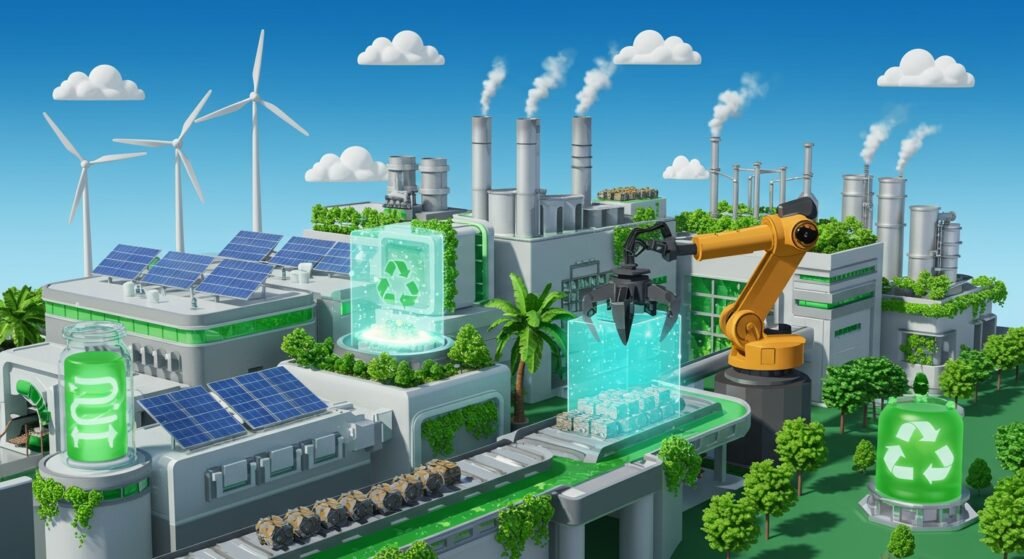
In an era increasingly defined by environmental consciousness and resource scarcity, the concept of sustainability has transcended a mere buzzword to become a critical imperative for industries worldwide. Industrial recycling stands at the forefront of this global shift, offering a powerful pathway for businesses to minimize their ecological footprint, conserve valuable resources, and foster a more resilient economy. This comprehensive guide will delve into the multifaceted world of industrial recycling, exploring its significance, methodologies, benefits, and the transformative role it plays in achieving true industrial sustainability.

Table of Contents
- What is Industrial Recycling?
- The Imperative for Industrial Sustainability
- Key Industrial Recycling Methods
- Benefits of Robust Recycling Programs
- Challenges and Solutions
- Case Studies in Sustainable Industry
- The Future of Industrial Recycling for Sustainability
- Conclusion
What is Industrial Recycling?
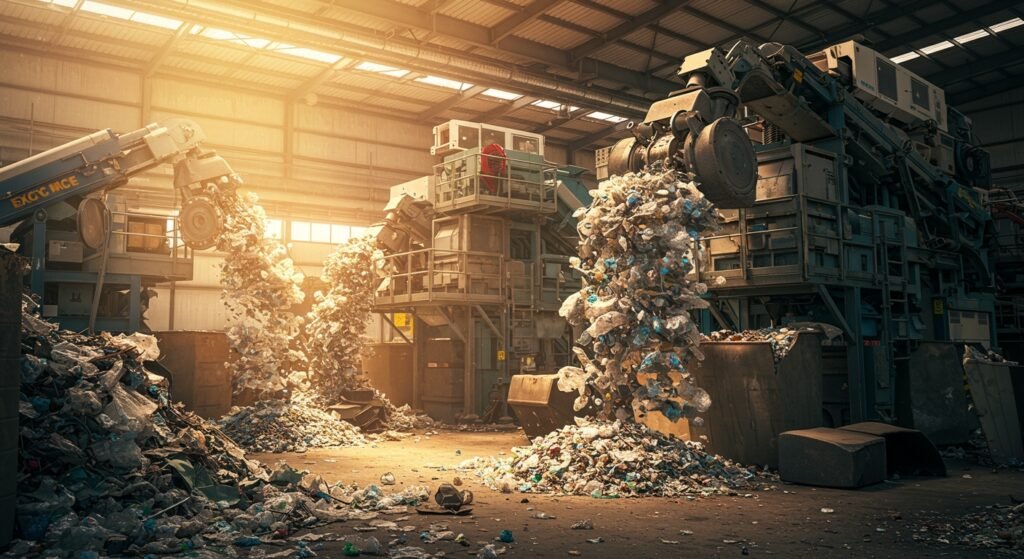
Industrial recycling refers to the process of collecting and reprocessing waste materials generated by manufacturing and industrial processes into new, usable products. Unlike municipal recycling, which primarily handles household waste, industrial recycling focuses on a wider array of materials, often in larger quantities and with more complex compositions. This can include anything from scrap metals, plastics, textiles, and chemicals to construction and demolition debris. The goal is to divert these materials from landfills and incinerators, thereby reducing waste, conserving natural resources, and minimizing environmental pollution.
The Imperative for Industrial Sustainability
The drive towards industrial sustainability is no longer an option but a necessity. Industries consume vast amounts of raw materials and energy, leading to significant environmental impacts, including greenhouse gas emissions, habitat destruction, and resource depletion. Industrial recycling directly addresses these challenges by:
- Reducing Raw Material Extraction: Less reliance on virgin resources means less mining, logging, and drilling.
- Decreasing Energy Consumption: Recycling often requires less energy than producing goods from scratch.
- Minimizing Landfill Waste: Diverting industrial waste reduces the burden on landfills and prevents pollution.
- Lowering Greenhouse Gas Emissions: Reduced energy use and less waste decomposition lead to fewer emissions.
- Fostering Circular Economy Principles: Keeping materials in use for as long as possible, extracting maximum value from them, and then recovering and regenerating products and materials at the end of each service life.
Embracing industrial recycling is a strategic move that not only benefits the planet but also offers significant economic advantages for businesses.
Key Industrial Recycling Methods
Industrial recycling employs various sophisticated methods to handle diverse waste streams:
Material Recovery
This is the most common form, involving the collection, sorting, and processing of specific materials for reuse. Examples include:
- Metal Recycling: Scrap steel, aluminum, copper, and other metals are melted down and reformed.
- Plastic Recycling: Industrial plastics are sorted by type (e.g., HDPE, PET), cleaned, shredded, and then melted into pellets for new products.
- Paper and Cardboard Recycling: Pulping and de-inking processes transform waste paper into new paper products.
Energy Recovery
Also known as waste-to-energy, this method involves converting non-recyclable industrial waste materials into usable heat, electricity, or fuel through processes like incineration with energy capture, pyrolysis, or gasification. While not traditional recycling, it helps divert waste from landfills and provides an energy source.
Chemical Recycling
This advanced method breaks down polymers into their original monomers or other basic chemical components. These components can then be used to create new plastics or other chemical products. It’s particularly useful for mixed or contaminated plastics that are difficult to mechanically recycle.
Benefits of Robust Recycling Programs
Implementing effective industrial recycling programs yields a multitude of advantages, impacting environmental health, economic stability, and corporate reputation:
| Benefit Category | Specific Advantages | Impact |
|---|---|---|
| Environmental | Resource Conservation, Waste Reduction, Pollution Prevention, Energy Savings | Reduces ecological footprint, preserves natural habitats |
| Economic | Cost Savings (materials, waste disposal), Revenue from Recycled Materials, Job Creation, Market Competitiveness | Improves bottom line, stimulates local economies |
| Social | Enhanced Public Image, Corporate Social Responsibility, Health & Safety Improvements | Builds trust, attracts talent, reduces community exposure to hazards |
| Regulatory | Compliance with Environmental Laws, Reduced Fines & Penalties | Ensures legal adherence, avoids costly sanctions |
Challenges and Solutions
Despite the clear benefits, industrial recycling faces challenges such as high initial investment costs for infrastructure, contamination of waste streams, and fluctuating market prices for recycled materials. Solutions include government incentives, technological advancements in sorting and processing, and fostering collaborations between industries to create closed-loop systems. Education and training for employees on proper waste segregation are also crucial.
Case Studies in Sustainable Industry
Numerous companies globally have embraced industrial recycling to achieve significant milestones in their sustainability journeys. For instance, major automotive manufacturers have implemented programs to recycle up to 95% of their manufacturing waste, including metals, plastics, and even paint sludge. Similarly, textile industries are exploring innovative ways to recycle fabric scraps into new garments, minimizing waste in a notoriously resource-intensive sector. Learn more about global efforts from organizations like the UN Environment Programme.
The Future of Industrial Recycling for Sustainability
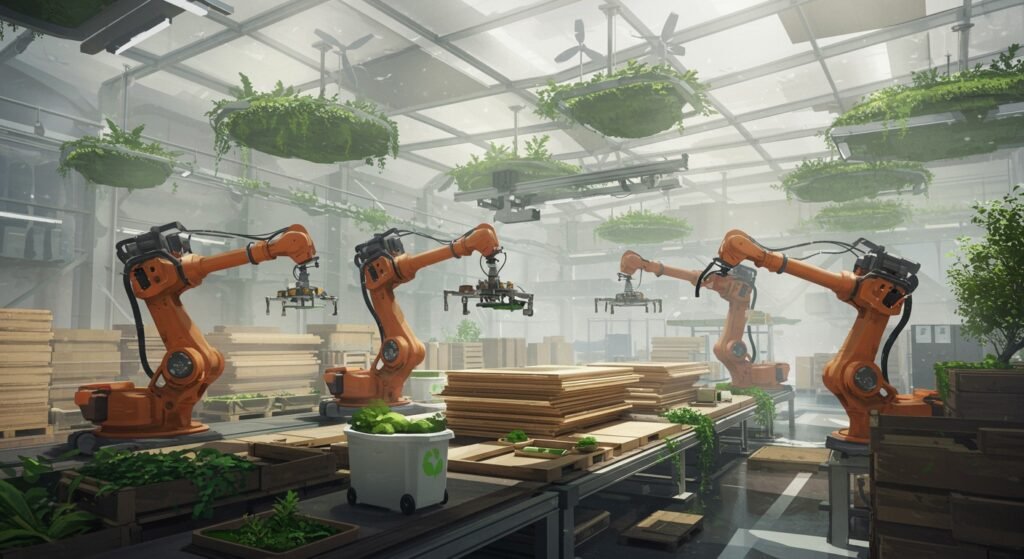
The future of industrial recycling is inextricably linked to the broader concept of the circular economy. This involves designing products for durability, reuse, and recyclability from the outset. Innovations in artificial intelligence, robotics, and advanced material science are set to revolutionize sorting and reprocessing capabilities, making industrial recycling even more efficient and cost-effective. Policy support, consumer demand for sustainable products, and corporate commitment will continue to drive this vital sector forward, ensuring a more resource-efficient and sustainable industrial landscape for generations to come. To explore more about eco-friendly practices, visit our article on Eco-Friendly Manufacturing Practices.
Conclusion
Industrial recycling is an indispensable pillar of modern sustainability. By transforming waste into valuable resources, industries can mitigate environmental harm, enhance economic performance, and contribute to a healthier planet. As technology advances and global awareness grows, the adoption of robust industrial recycling practices will not only become more widespread but also increasingly sophisticated, paving the way for a truly circular and sustainable industrial future.