In today’s dynamic global marketplace, businesses constantly seek ways to gain a competitive edge and deliver superior value. At the heart of this pursuit lies the value chain—a series of processes a company undertakes to create and deliver a product or service. However, merely having a value chain is no longer enough; it’s the role of innovation within these intricate networks that truly unlocks transformative potential. This article delves into how embracing new ideas, technologies, and methodologies across every stage of the value chain can drive efficiency, foster sustainability, and ultimately lead to unprecedented growth.

Table of Contents
- Understanding The Value Chain
- Key Areas of Innovation in Value Chains
- The Benefits of Innovation
- Challenges and Solutions
- Examples of Innovation in Action
- Conclusion: The Future is Innovative
Understanding The Value Chain
What is a Value Chain?
A value chain represents the full range of activities—from conception to delivery and beyond—that firms operating in a specific industry perform in order to deliver a valuable product or service. This includes design, production, marketing, distribution, and support services. Each step in the chain adds value, and the cumulative value created across all activities represents the total value delivered to the customer.
Why Innovation Matters in Supply Chains
Innovation is not just about inventing new products; it’s also about finding novel ways to perform existing tasks more effectively or to create entirely new processes. In supply chains, innovation can lead to significant improvements in efficiency, quality, speed, and cost-effectiveness. It enables companies to respond to market changes, meet evolving customer demands, and stay ahead of competitors. Without continuous innovation, a value chain risks becoming stagnant, inefficient, and ultimately, obsolete. Consider how e-commerce giants have revolutionized delivery methods; this is a direct result of relentless innovation in their supply chain models.
Key Areas of Innovation in Value Chains
Digital Transformation & Automation
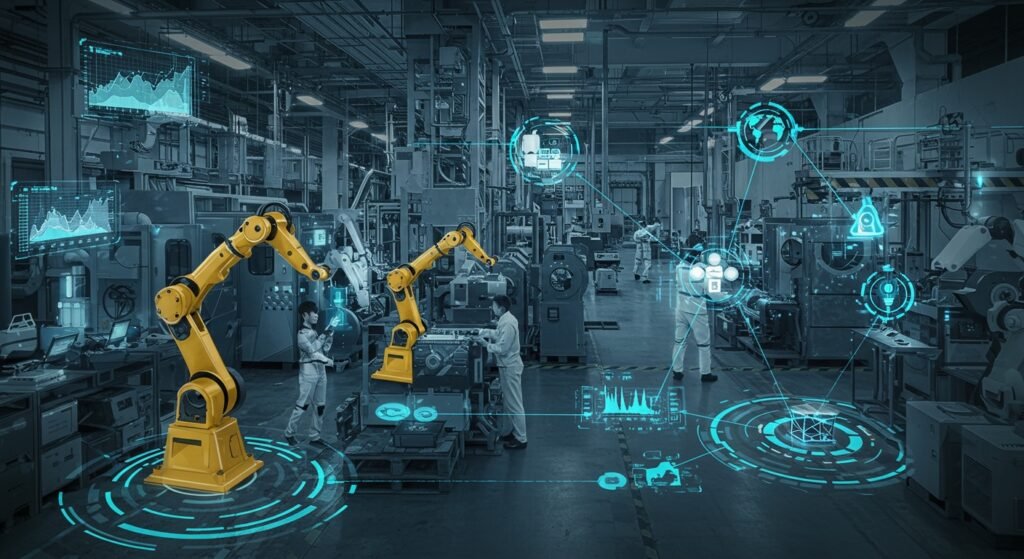
The advent of digital technologies has profoundly impacted value chains. Automation, artificial intelligence (AI), machine learning (ML), and the Internet of Things (IoT) are transforming operations from procurement to logistics. Predictive analytics can optimize inventory, while robotic process automation streamlines repetitive tasks. Digital twins, for instance, allow companies to create virtual models of their physical value chains, enabling scenario planning and optimization without real-world disruption. This digital evolution is crucial for maintaining competitive parity.
Sustainable Practices
Innovation in sustainability is increasingly vital. Companies are innovating to reduce their environmental footprint, from sourcing eco-friendly materials to optimizing transportation routes to minimize emissions. Circular economy principles, which emphasize reusing and recycling materials, are driving innovation in product design and waste management within value chains. Consumers and regulators alike are demanding more environmentally conscious operations, pushing firms to innovate in this critical area.
Customer-Centric Innovation
Value chains are ultimately about delivering value to the customer. Innovation in this area involves leveraging data to understand customer preferences better, offering personalized products or services, and enhancing the overall customer experience. This could involve innovative delivery options, improved after-sales support, or co-creation platforms where customers contribute to product development. Understanding the customer journey is paramount.
The Benefits of Innovation
The strategic integration of innovation yields a multitude of advantages that can redefine a company’s position in the market.
Increased Efficiency and Cost Reduction
Innovative processes often lead to streamlined operations, reduced waste, and optimized resource allocation. For example, implementing AI-driven demand forecasting can significantly cut down on excess inventory costs. Automation reduces labor expenditure for repetitive tasks, allowing human capital to be redirected towards more strategic activities. The impact on the bottom line is often substantial.
Enhanced Competitive Advantage
Companies that consistently innovate are better positioned to differentiate themselves. They can offer unique products, superior service, or more efficient delivery, creating barriers to entry for competitors. This constant evolution helps maintain market leadership and capture new market segments. For more insights into broader business strategies, read about strategic planning.
Improved Resilience
In a world prone to disruptions, an innovative value chain is a resilient one. By adopting flexible manufacturing, diversified sourcing, and advanced risk management technologies, businesses can better withstand unforeseen challenges like pandemics, geopolitical instability, or natural disasters. Innovation builds adaptability into the very fabric of operations. Interested in understanding the intricacies of managing complex systems? Explore our guide to supply chain management basics.
Challenges and Solutions
Implementing innovation is not without its hurdles. Companies face resistance to change, the need for significant initial investment, and the challenge of fostering an innovative culture.
Overcoming Resistance to Change
Employees may resist new processes or technologies due to fear of the unknown or job insecurity. Effective change management strategies, including clear communication, comprehensive training, and involving employees in the innovation process, are crucial for successful adoption.
Securing Investment
Innovation often requires substantial financial outlay for research, development, and new infrastructure. Demonstrating a clear return on investment (ROI) and securing buy-in from stakeholders are vital steps. This often involves piloting new initiatives on a smaller scale to prove their value before a full-scale rollout.
Examples of Innovation in Action
Here’s a look at how different industries are embracing innovation within their value chains:
| Industry | Innovation Example | Impact on Value Chain |
|---|---|---|
| Automotive | Electric Vehicle (EV) battery production & recycling | Reduced environmental footprint, new revenue streams, enhanced brand image. |
| Retail | AI-driven personalized recommendations & logistics | Improved customer experience, optimized inventory, faster delivery. |
| Agriculture | Precision farming with IoT sensors | Increased yields, reduced resource waste (water, fertilizer), data-driven decisions. |
| Healthcare | Telemedicine platforms & remote monitoring | Improved access to care, reduced costs, enhanced patient engagement. |
Conclusion: The Future is Innovative
The role of innovation in value chains is no longer a strategic option but a fundamental necessity for survival and growth in the modern business landscape. From digital transformation to sustainable practices and customer-centric approaches, continuous innovation fortifies resilience, enhances competitive advantage, and ultimately drives value creation. Companies that prioritize and strategically embed innovation into every facet of their value chains will be the ones that thrive, shaping the future of industries and economies alike. Embracing the future requires a commitment to constant evolution.
