Industrial Ergonomics and Worker Well-Being in Automated Environments
The rise of automation has dramatically transformed industrial landscapes, bringing unprecedented efficiencies and precision. However, this technological leap also presents new challenges for worker health and safety. This is where industrial ergonomics becomes not just beneficial, but absolutely critical. It’s the science of designing workplaces, products, and systems to fit the people who use them, ensuring comfort, efficiency, and prevention of injury. In automated environments, the focus shifts from purely physical demands to a more complex interplay of physical, cognitive, and organizational factors. Prioritizing ergonomic design means safeguarding worker well-being while simultaneously unlocking the full potential of advanced automation.
Table of Contents
- The Evolving Landscape of Industrial Ergonomics
- Key Challenges in Automated Industrial Environments
- Implementing Effective Industrial Ergonomics Strategies
- Benefits of Prioritizing Worker Well-Being
- The Future of Industrial Ergonomics
The Evolving Landscape of Industrial Ergonomics
Traditionally, industrial ergonomics focused heavily on manual lifting, repetitive motions, and workstation design for purely human tasks. With automation, the nature of work has evolved, demanding a fresh perspective.
From Manual Labor to Human-Robot Collaboration
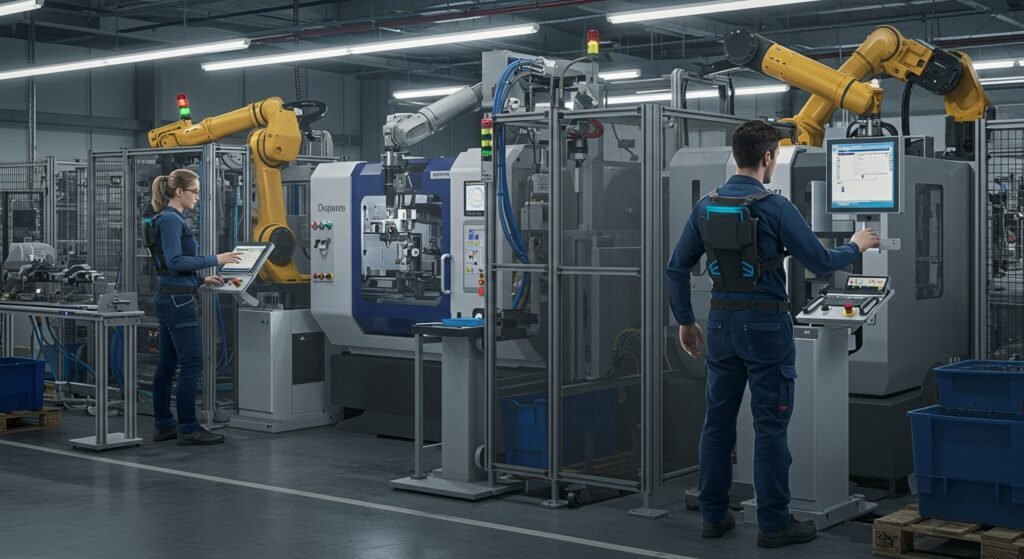
Today’s factory floors often feature collaborative robots (cobots) working alongside humans. While robots handle strenuous or highly repetitive tasks, human operators are engaged in supervision, programming, maintenance, and intricate assembly processes. This shift reduces purely physical strain but can introduce new ergonomic risks related to cognitive load, prolonged static postures (e.g., monitoring screens), and new forms of human-machine interaction.
Why Ergonomics Matters More Than Ever
Neglecting ergonomics in automated settings can lead to musculoskeletal disorders (MSDs), increased absenteeism, reduced productivity, and lower morale. Conversely, integrating ergonomic principles ensures a healthier workforce, reduced compensation claims, higher quality output, and enhanced worker engagement. It’s about creating a synergistic relationship between human and machine, where both operate at their best.
Key Challenges in Automated Industrial Environments
Automated systems, while efficient, can introduce subtle yet significant ergonomic challenges.
Repetitive Tasks and Static Postures
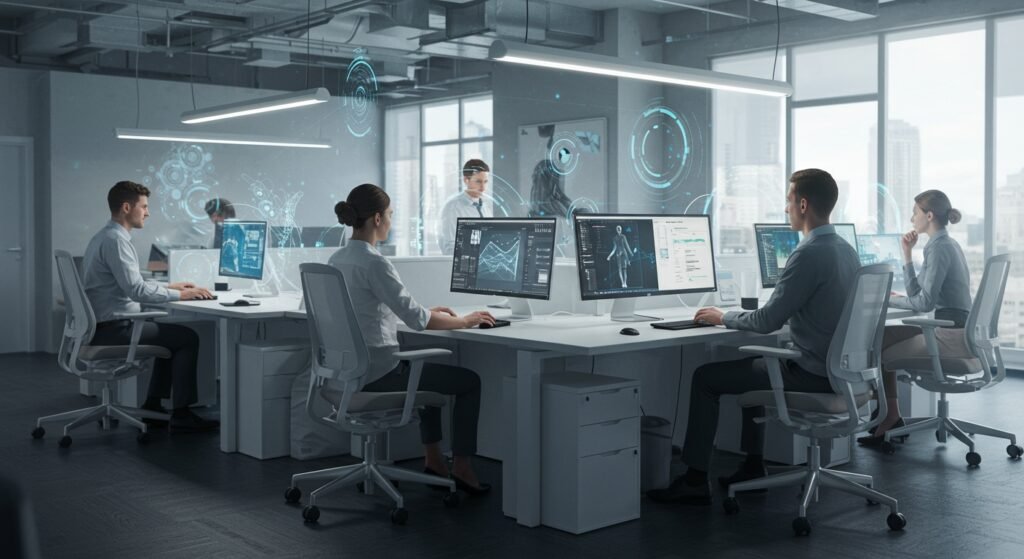
Even with automation, human workers may still perform highly repetitive, low-force tasks or maintain static postures for extended periods while monitoring machines or performing quality checks. This can lead to localized fatigue and discomfort in the neck, shoulders, and wrists.
Cognitive Load and Human-Machine Interface
Operating and supervising complex automated systems can impose a high cognitive load. Poorly designed human-machine interfaces (HMIs) can lead to confusion, errors, and mental fatigue. The need for quick decision-making under pressure also adds to cognitive stress.
Designing for Diverse Workforces
Automated workstations must be adaptable to a diverse workforce, accommodating variations in height, reach, and physical capabilities. A one-size-fits-all approach is insufficient and can exacerbate ergonomic issues for a significant portion of employees.

Implementing Effective Industrial Ergonomics Strategies
Addressing these challenges requires a proactive and holistic approach to industrial ergonomics.
Proactive Design and Assessment
Ergonomic considerations should be integrated into the design phase of new automated systems and workspaces. This includes conducting ergonomic risk assessments before implementation, involving workers in the design process, and using simulation tools to evaluate potential stressors. Regular post-implementation assessments are also vital to identify and mitigate emergent risks.
Training and Education
Comprehensive training programs are essential. Workers need to be educated on proper body mechanics, the safe operation of automated equipment, understanding warning signals, and identifying potential ergonomic hazards. Supervisors also need training to recognize early signs of MSDs and promote ergonomic best practices.
Adaptive Workstations and Tools
Providing adjustable workstations, chairs, and tools allows workers to customize their environment. Implementing features like sit-stand options, anti-fatigue mats, and power-assisted tools can significantly reduce physical strain. In some cases, exoskeletons or assistive devices can support workers in physically demanding tasks that remain even in automated settings.
Optimizing Human-Robot Interaction (HRI)
Designing intuitive and clear HMI is paramount. This includes visual cues, auditory signals, and touch interfaces that minimize cognitive effort and potential for error. Establishing clear communication protocols and safety zones for human-robot collaboration ensures that workers feel safe and in control.
Benefits of Prioritizing Worker Well-Being
Investing in industrial ergonomics yields significant returns far beyond mere compliance. It creates a healthier, happier, and more productive workforce.
| Aspect | Without Ergonomics | With Ergonomics |
|---|---|---|
| Worker Health | Increased MSDs, fatigue, absenteeism | Reduced injuries, improved comfort, better health |
| Productivity | Lower efficiency, errors, downtime | Higher output, consistent quality, reduced errors |
| Morale | Dissatisfaction, high turnover | Increased job satisfaction, loyalty, engagement |
| Costs | Higher healthcare, compensation, training | Reduced medical costs, lower turnover, better ROI |
Prioritizing well-being through ergonomics also contributes to a culture of safety and care, making your organization an attractive employer. For more insights on building a resilient workforce, consider our article on Sustainable Workplace Practices.
The Future of Industrial Ergonomics
The field of industrial ergonomics is continuously evolving. Advances in sensor technology, AI, and wearable devices are paving the way for personalized ergonomic solutions. Real-time posture monitoring, predictive analytics for fatigue, and AI-driven workstation adjustments will become standard. Furthermore, research into the psychological and social aspects of human-automation interaction will deepen our understanding of cognitive ergonomics. Staying informed through resources like the OSHA Ergonomics Guidelines is crucial for future-proofing your workplace.
In conclusion, as automation continues to reshape industries, the principles of industrial ergonomics remain a cornerstone of sustainable productivity and worker well-being. By proactively integrating ergonomic design, training, and adaptive solutions, organizations can create environments where humans and machines thrive together, fostering innovation and a healthier future for all.