AI in Healthcare Systems Engineering: Improving Patient Outcomes
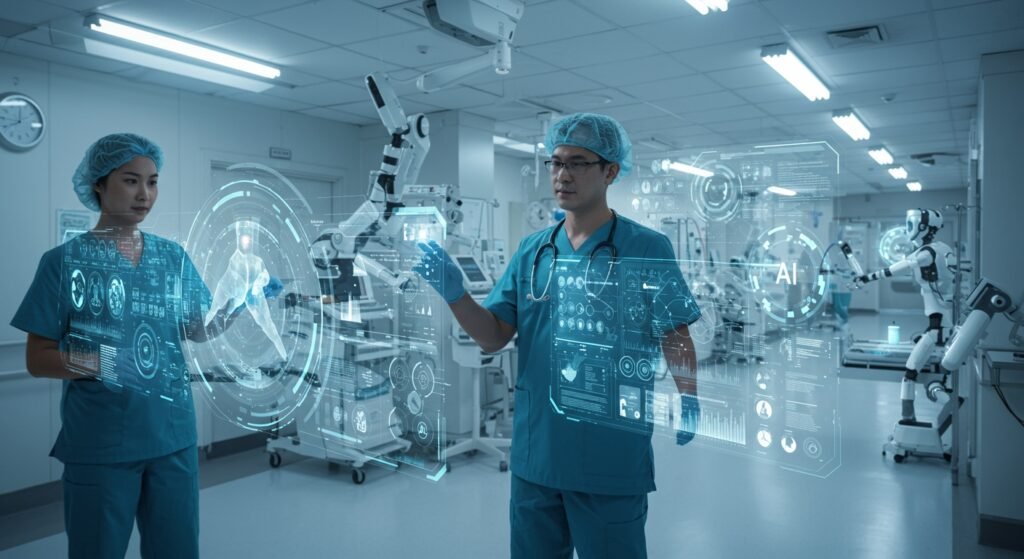
The intersection of Artificial Intelligence (AI) and healthcare engineering is revolutionizing how we approach patient care, operational efficiency, and system design within medical facilities. This synergy promises not just incremental improvements but transformative shifts, leading to significantly better patient outcomes across the board. From optimizing complex hospital logistics to personalizing treatment plans, AI is redefining the capabilities of modern healthcare.

Table of Contents
- The Dawn of AI in Healthcare Engineering
- Key AI Applications Driving Change
- Challenges and Ethical Considerations
- The Future of Healthcare Engineering
The Dawn of AI in Healthcare Engineering
Healthcare engineering, at its core, focuses on applying engineering principles and methods to improve healthcare service delivery, infrastructure, and technology. With the advent of AI, this field is undergoing an unprecedented evolution, transitioning from reactive solutions to proactive, predictive, and personalized care models. This paradigm shift is driven by AI’s unparalleled ability to process and analyze vast datasets, uncover hidden patterns, and automate intricate processes.
Redefining Patient Care Through AI
AI’s impact on direct patient care is profound. It enables more accurate and faster diagnoses through advanced image recognition in radiology, pathology, and dermatology. Machine learning algorithms can identify subtle indicators of disease that might be missed by the human eye, leading to earlier interventions and improved prognoses. Furthermore, AI tools assist in drug discovery and development, significantly shortening timelines and reducing costs for new treatments.
Optimizing Hospital Operations
Beyond individual patient interactions, AI streamlines complex hospital logistics and administrative tasks. From predictive staffing models that ensure optimal nurse-to-patient ratios to AI-powered supply chain management reducing waste and optimizing inventory, the efficiency gains are substantial. This operational optimization frees up human resources, allowing medical staff to focus more on patient needs rather than administrative burdens.
Key AI Applications Driving Change
The practical applications of AI in healthcare are diverse and rapidly expanding, each contributing to a more efficient and effective healthcare system.
Predictive Analytics for Early Intervention
AI algorithms can analyze patient data – from medical history to real-time vital signs and genetic predispositions – to predict potential health risks, disease onset, or adverse events. This enables clinicians to intervene proactively, often preventing conditions from escalating or managing chronic diseases more effectively. For instance, AI can alert medical teams to early signs of sepsis or cardiac arrest, dramatically improving survival rates.
Automated Workflow and Resource Management
From scheduling surgeries and managing operating room utilization to optimizing pharmaceutical inventories and patient flow within emergency departments, AI-driven systems enhance efficiency. These systems can dynamically allocate resources, reduce wait times, and ensure that critical equipment and personnel are available when and where they are needed most. This results in smoother operations and a better experience for both patients and staff.
Personalized Treatment Plans
By integrating genomic data, patient history, lifestyle factors, and real-world treatment responses, AI can craft highly personalized therapeutic strategies. This approach moves beyond ‘one-size-fits-all’ medicine, offering treatments tailored to an individual’s unique biological makeup and disease profile, leading to higher efficacy and fewer side effects.
| Aspect | Traditional Approach | AI-Enhanced Approach |
|---|---|---|
| Diagnosis | Manual interpretation, expert dependency | Automated image analysis, predictive diagnostics |
| Resource Allocation | Static schedules, human estimates | Dynamic, real-time optimization |
| Treatment Planning | Standard protocols, physician judgment | Personalized, data-driven strategies |
| Patient Monitoring | Intermittent checks, manual charting | Continuous, AI-alerted monitoring |
Challenges and Ethical Considerations
While the benefits are clear, the integration of AI into healthcare engineering is not without its challenges. Addressing these issues is crucial for successful and ethical implementation.
Data Privacy and Security
The immense volume of sensitive patient data handled by AI systems in healthcare necessitates robust cybersecurity measures and strict adherence to privacy regulations (e.g., HIPAA, GDPR). Ensuring data integrity and preventing breaches are paramount to maintaining patient trust and system reliability.
Implementation Hurdles
Integrating new AI technologies into existing, often legacy, healthcare infrastructures can be complex and costly. Resistance from staff unfamiliar with new technologies, the need for extensive training, and the challenges of interoperability between different systems are significant obstacles that must be overcome.
The Future of Healthcare Engineering
The journey of AI in healthcare engineering is just beginning. As technology advances and regulatory frameworks evolve, we anticipate even more profound impacts. Future developments may include fully autonomous diagnostic systems, AI-powered robotic surgery with enhanced precision, and comprehensive digital twins of patients for predictive health management. The continuous collaboration between engineers, clinicians, and ethicists will be vital to harness AI’s full potential responsibly.
For more insights into digital health innovations, explore our article on Digital Health Trends. Learn more about AI in medicine from a leading authority at the World Health Organization.
Ultimately, the integration of AI into healthcare engineering is not just about technology; it’s about fostering a future where healthcare is more proactive, personalized, and efficient, leading to superior patient outcomes for everyone. It represents a monumental leap towards a healthier, more connected world.