The landscape of supply management is undergoing a profound transformation, largely driven by the rapid advancements in AI technology. Businesses worldwide are recognizing the immense potential of artificial intelligence to optimize operations, reduce costs, and enhance overall efficiency. From predicting demand with unprecedented accuracy to automating complex logistics, AI is no longer a futuristic concept but a vital tool for competitive advantage in today’s dynamic global marketplace. This article delves into the core AI applications that are reshaping supply chains and how your organization can harness this power.

Table of Contents
- Introduction
- The Transformative Power of AI in Supply Management
- Key AI Technologies Driving Supply Chain Innovation
- Implementing AI: Challenges and Best Practices
- The Future of Supply Management with AI
- Conclusion
The Transformative Power of AI in Supply Management
Artificial Intelligence offers a suite of powerful tools that can address many of the long-standing challenges in supply chain management. By processing vast amounts of data and identifying patterns beyond human capacity, AI enables smarter, faster, and more resilient operations.
Enhanced Demand Forecasting with AI
Accurate demand forecasting is the cornerstone of efficient supply chains. Traditional methods often struggle with volatility and external factors. AI-powered systems, leveraging machine learning algorithms, can analyze historical sales data, seasonal trends, macroeconomic indicators, social media sentiment, and even weather patterns to predict future demand with significantly higher accuracy. This reduces stockouts and overstocking, leading to better inventory control and reduced waste.
Optimizing Inventory and Warehousing
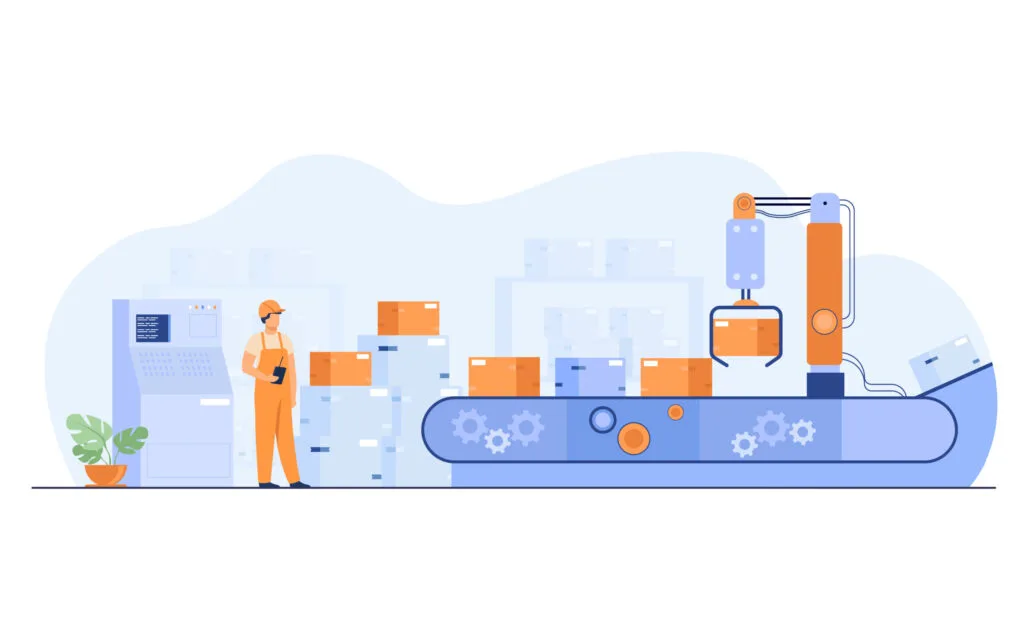
Managing inventory is a delicate balance. Too much ties up capital, too little risks lost sales. AI helps optimize inventory levels by providing real-time insights into stock movement, supplier lead times, and demand fluctuations. In warehousing, robots guided by AI can automate tasks like picking, packing, and sorting, dramatically improving efficiency and reducing labor costs. Predictive analytics can also optimize warehouse layouts and storage strategies based on item popularity and access frequency.
Streamlining Logistics and Transportation
AI plays a critical role in optimizing logistics and transportation networks. Real-time route optimization, powered by AI algorithms, can significantly reduce fuel consumption and delivery times by analyzing traffic conditions, weather forecasts, and delivery schedules. Furthermore, AI can optimize fleet management, predicting maintenance needs for vehicles to prevent costly breakdowns and ensuring timely deliveries. This leads to substantial cost savings and improved customer satisfaction.
Predictive Maintenance for Supply Chain Resilience
Equipment breakdowns can cause significant disruptions in the supply chain. AI-driven predictive maintenance uses sensors and machine learning to monitor the health of machinery in manufacturing plants and logistics hubs. By analyzing operational data, AI can anticipate potential failures before they occur, allowing for proactive maintenance and minimizing downtime. This enhances operational continuity and strengthens overall supply chain resilience.
Supplier Relationship Management and Risk Assessment
Managing a diverse network of suppliers is complex. AI can analyze supplier performance data, identify potential risks (e.g., financial instability, geopolitical events, natural disasters), and even help with contract negotiations. By providing a comprehensive view of supplier health and risk profiles, AI enables companies to build more robust and reliable supply chains. For further insights into managing your stock, you might find our article on effective inventory management strategies helpful.
Key AI Technologies Driving Supply Chain Innovation
Several core AI technologies underpin these advancements:
- Machine Learning (ML): The foundation for predictive analytics, ML algorithms learn from data to make predictions or decisions without explicit programming. Essential for forecasting, optimization, and anomaly detection.
- Natural Language Processing (NLP): Enables AI systems to understand and process human language, useful for analyzing contracts, customer feedback, and market intelligence.
- Computer Vision: Allows AI to interpret visual information from cameras, critical for quality control, warehouse automation, and autonomous vehicles in logistics.
- Robotics Process Automation (RPA): Automates repetitive, rule-based tasks within the supply chain, freeing up human workers for more strategic roles.
Implementing AI: Challenges and Best Practices
While the benefits are clear, implementing AI in supply management comes with its challenges. These can include data quality issues, integration complexities, and the need for specialized talent. Here’s a brief overview:
| Challenge | AI Solution / Best Practice |
|---|---|
| Data Silos | Integrated AI platforms for centralized data analysis; establish robust data governance. |
| Implementation Cost | Start with pilot projects in high-impact areas; phased rollout to demonstrate ROI. |
| Skill Gap | Invest in employee training; collaborate with AI experts and technology providers. |
| Resistance to Change | Communicate benefits clearly; involve stakeholders early in the process. |
| Ethical Concerns | Develop transparent AI models; establish robust governance policies and ethical guidelines. |
Adopting a strategic, phased approach, coupled with strong leadership and cross-functional collaboration, is crucial for successful AI integration.
The Future of Supply Management with AI
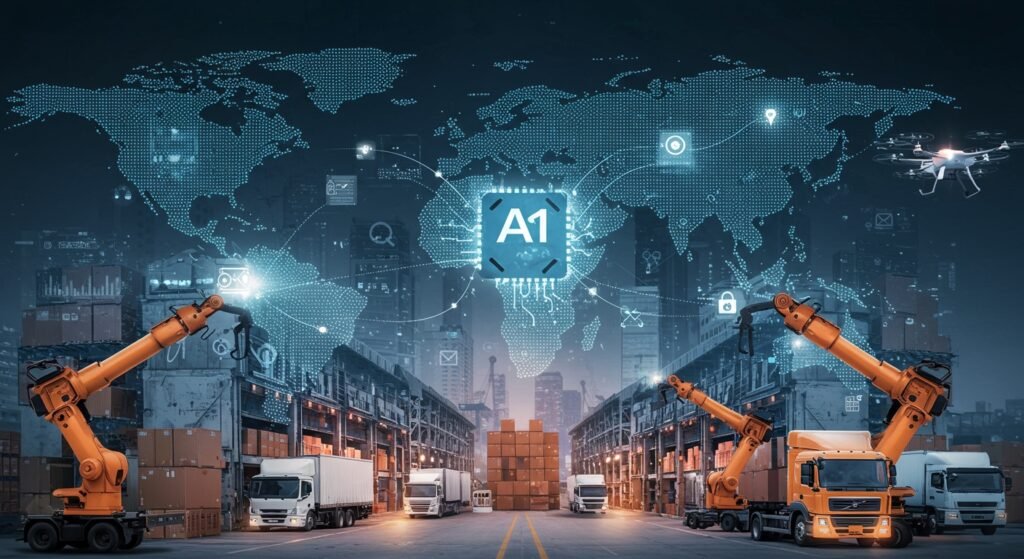
The future of supply management is intrinsically linked with the evolution of AI. We can expect increasingly autonomous supply chains, where decisions are made and executed with minimal human intervention. Further integration with IoT devices will provide even richer data for real-time optimization. Blockchain technology, combined with AI, could bring unprecedented transparency and traceability. Companies that embrace these innovations will be best positioned to thrive in the complex and competitive global economy.
Conclusion
AI is not just an incremental improvement; it’s a paradigm shift for supply management. By transforming demand forecasting, optimizing inventory, streamlining logistics, and enabling proactive maintenance, AI offers unparalleled opportunities for efficiency, cost reduction, and resilience. Organizations that strategically invest in AI applications will not only overcome current challenges but also build a future-proof supply chain ready for whatever lies ahead. To explore more about the impact of artificial intelligence in various industries, consider reading this Forbes article on AI in supply chain trends.