Designing Circular Production Systems for Long-Term Competitiveness
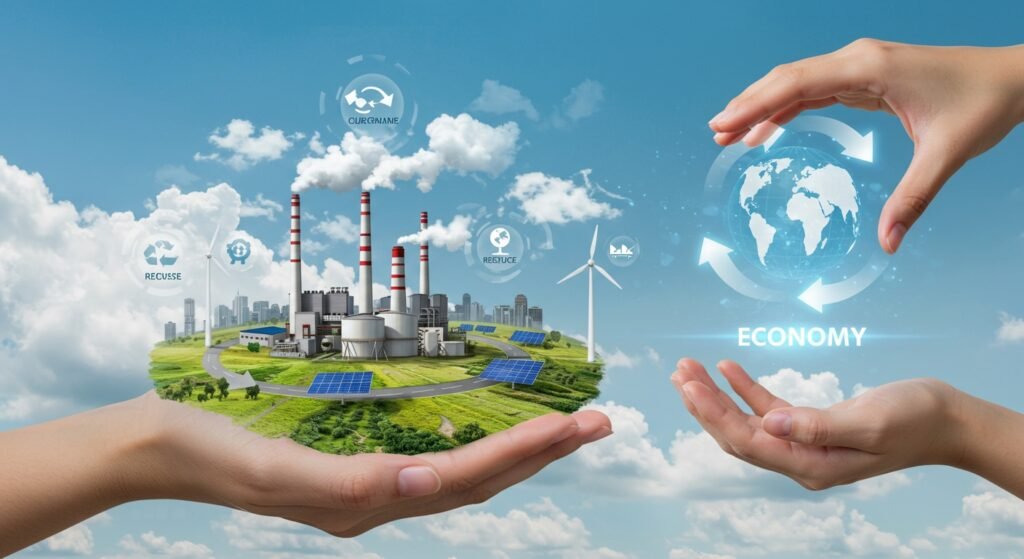
In an era defined by resource scarcity, environmental concerns, and shifting consumer demands, the traditional linear ‘take-make-dispose’ economic model is increasingly unsustainable. Businesses are realizing that a fundamental shift is necessary to ensure resilience and profitability. This is where the concept of circular production systems comes into play. By reimagining how products are designed, manufactured, used, and recycled, companies can unlock significant value, reduce their environmental footprint, and secure a competitive edge for the long term.
This article explores the core principles of circular production, its benefits for businesses, and practical steps for implementation, ensuring your enterprise thrives in a resource-constrained world.
Table of Contents
- What Are Circular Production Systems?
- Key Benefits for Long-Term Competitiveness
- Designing Your Circular Production System
- Overcoming Challenges and Driving Adoption
- Conclusion
What Are Circular Production Systems?
At its heart, circular production is an economic model that aims to eliminate waste and the continual use of resources. Unlike the linear economy, which follows a straight path from raw material extraction to disposal, the circular economy is regenerative by design. It focuses on keeping products, components, and materials at their highest utility and value at all times. This involves designing out waste and pollution, keeping products and materials in use, and regenerating natural systems.

Core Principles of the Circular Economy
The circular economy operates on several fundamental principles:
- Design Out Waste and Pollution: Products and processes are designed from the outset to minimize waste and negative environmental impacts.
- Keep Products and Materials in Use: Maximizing product lifespan through durability, repairability, reuse, remanufacturing, and recycling.
- Regenerate Natural Systems: Returning valuable biological nutrients to the earth and preventing hazardous materials from entering the ecosystem.
Key Benefits for Long-Term Competitiveness
Embracing circular production offers a multitude of advantages that go beyond mere environmental compliance, directly impacting a company’s bottom line and market position.
Enhanced Resource Efficiency
By focusing on reuse, recycling, and regeneration, businesses can significantly reduce their reliance on virgin raw materials. This mitigates risks associated with volatile commodity prices and supply chain disruptions, leading to cost savings and greater operational stability.
Reduced Waste and Pollution
Minimizing waste streams not only reduces disposal costs but also enhances a company’s environmental reputation. Lower pollution levels can lead to fewer regulatory hurdles and improved community relations.
Innovation and New Business Models
The transition to circular models often sparks innovation. Companies explore new product designs (e.g., ‘product as a service’), advanced recycling technologies, and collaborative partnerships, opening up new revenue streams and market opportunities. For more on this, you might explore topics related to sustainable manufacturing practices.
Supply Chain Resilience
Diversifying material sources through recycled content and establishing closed-loop systems makes supply chains more robust. Companies become less vulnerable to geopolitical events or resource shortages affecting specific raw material markets.
Designing Your Circular Production System
Implementing circular production requires a holistic approach, beginning at the design phase and extending throughout the entire product lifecycle.
Lifecycle Thinking
Consider the entire journey of a product from conception to end-of-life. How can materials be sourced more sustainably? Can the product be designed for easy disassembly and repair? What happens to components once the product is no longer needed?
Material Selection and Design for Durability
Prioritize materials that are durable, non-toxic, recyclable, or biodegradable. Design products for longevity, modularity, and easy maintenance. This extends the product’s useful life and keeps materials in circulation.
Reverse Logistics and Take-Back Programs
Establishing efficient systems to collect used products and materials is crucial. This can involve take-back programs, partnerships with recyclers, or investing in remanufacturing facilities. For insights into global circular initiatives, check out the Ellen MacArthur Foundation.
Overcoming Challenges and Driving Adoption
While the benefits are clear, transitioning to circular production presents challenges, including initial investment costs, the need for new technologies, and shifts in consumer behavior. However, the long-term gains in competitiveness, brand reputation, and resource security often outweigh these hurdles.
| Aspect | Linear Production | Circular Production |
|---|---|---|
| Resource Flow | Take-Make-Dispose | Reduce-Reuse-Recycle-Regenerate |
| Waste Concept | Unavoidable byproduct | Design flaw, resource loss |
| Value Creation | Volume, obsolescence | Value retention, service, durability |
| Supply Chain | Extraction to consumer | Closed loops, reverse logistics |
| Competitiveness Driver | Cost of virgin materials | Resource efficiency, innovation |
Conclusion
Designing effective circular production systems is no longer a niche sustainability initiative; it’s a strategic imperative for long-term business competitiveness. By embracing principles of waste elimination, resource retention, and regeneration, companies can build more resilient, innovative, and profitable operations. The future of industry is circular, and those who adapt now will lead the way into a more sustainable and prosperous economic landscape.