In today’s rapidly evolving global market, the ability to adapt is not just an advantage—it’s a necessity. For industrial operations, this means embracing the concept of designing flexible industrial systems. A flexible system is one that can easily reconfigure, scale, and pivot in response to changing market demands, technological advancements, or unforeseen disruptions. Without this inherent adaptability, businesses risk becoming obsolete, unable to meet the pace of innovation and consumer expectation. This article delves into the core principles and practical steps for designing robust, adaptable industrial frameworks that stand the test of time.
Table of Contents
- Introduction to Flexible Industrial Systems
- The Indisputable Benefits of System Flexibility
- Key Principles for Designing Adaptable Systems
- Steps to Implement a Flexible Industrial Design
- Overcoming Challenges in System Flexibility
- The Future of Industrial System Design
- Conclusion
Introduction to Flexible Industrial Systems
The traditional industrial model, characterized by rigid, purpose-built assembly lines, struggles to cope with the modern demand for mass customization, shorter product lifecycles, and rapid production changes. Flexible industrial systems are designed from the ground up to counteract this rigidity. They incorporate elements that allow for quick adjustments in production volume, product variations, and process flows without significant downtime or capital expenditure. This paradigm shift emphasizes agility, resilience, and sustainability in manufacturing and operational processes.

The Indisputable Benefits of System Flexibility
Investing in flexible industrial systems yields a multitude of benefits. Companies can achieve faster time-to-market for new products, respond quickly to supply chain disruptions, and optimize resource utilization. Furthermore, such systems often lead to reduced operational costs over the long term, improved product quality due to better process control, and enhanced employee satisfaction as workers are empowered by more dynamic tools and environments. It’s a strategic move that pays dividends across the entire organizational structure.
Key Principles for Designing Adaptable Systems
Successful designing for flexibility requires adherence to several core principles:
Embrace Modularity
Modular design is fundamental. Break down complex systems into independent, interchangeable components or modules. This allows for individual modules to be upgraded, replaced, or rearranged without affecting the entire system. Think of it like building with LEGOs – each piece has a specific function and can be combined in countless ways.
Standardization Where Possible
While flexibility is key, standardization of interfaces, communication protocols, and even certain hardware components can significantly reduce the complexity of system integration and maintenance. This balance between customizability and commonality is crucial for efficient system management.
Leverage Smart Automation and Robotics
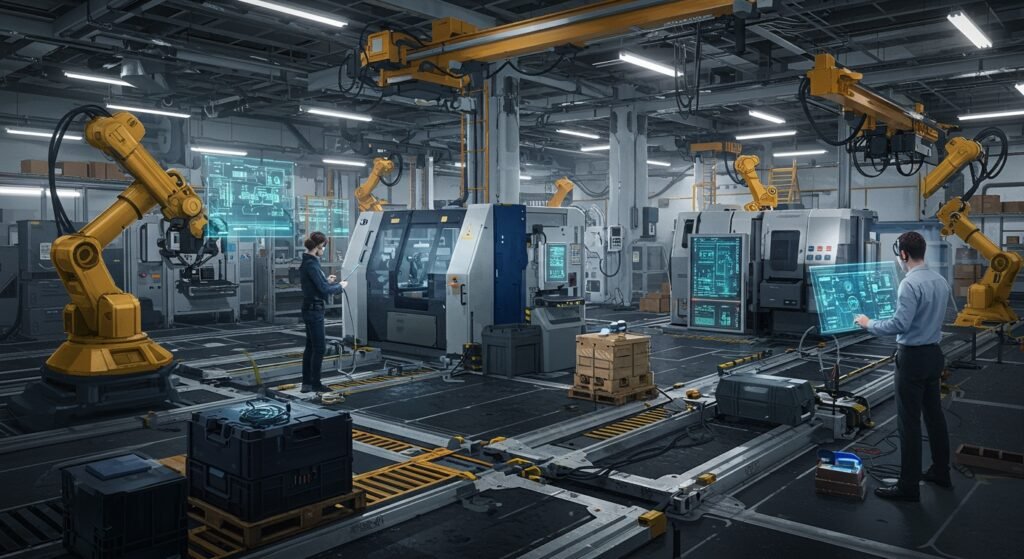
Modern automation, particularly collaborative robots (cobots) and AI-powered systems, offers unparalleled flexibility. These technologies can be reprogrammed and redeployed for different tasks with minimal effort, making them ideal for dynamic production environments. For more insights into industrial automation trends, you might visit Industrial Automation Insights.
Steps to Implement a Flexible Industrial Design
Assess Current and Future Needs
Before any design work begins, conduct a thorough analysis of your current operational bottlenecks, future market predictions, and potential technological advancements. This forward-looking assessment helps in proactively incorporating flexibility where it will be most impactful. Consider scenarios that might require changes in capacity, product mix, or process flow.
Choose the Right Technology Stack
The backbone of a flexible system is its technology. This includes everything from IoT sensors and cloud computing for data collection and analysis, to advanced manufacturing technologies like additive manufacturing (3D printing) and digital twins. Selecting scalable and interoperable technologies is paramount.
Implement Data-Driven Decision Making
Real-time data provides the insights needed to make informed decisions about system adjustments. Predictive analytics can identify potential issues or opportunities for optimization before they become critical. Tools like Manufacturing Execution Systems (MES) or Enterprise Resource Planning (ERP) integrate data across the factory floor, enabling agile responses.
| Benefit Category | Specific Advantage | Impact on Business |
|---|---|---|
| Agility | Rapid response to market changes | Increased competitiveness, new market opportunities |
| Efficiency | Optimized resource allocation | Reduced waste, lower operational costs |
| Innovation | Easier adoption of new technologies | Stay ahead of competitors, foster R&D |
| Resilience | Minimizing impact of disruptions | Supply chain stability, business continuity |
Overcoming Challenges in System Flexibility
While the benefits are clear, implementing flexible systems comes with challenges. Initial investment costs can be higher, and there’s a need for a skilled workforce capable of managing complex, integrated systems. Cybersecurity concerns also intensify with increased connectivity. Addressing these requires strategic planning, continuous training, and robust security protocols. Organizations should also look into how optimizing production workflows can enhance overall system flexibility and efficiency.
The Future of Industrial System Design
The future of industrial systems points towards hyper-flexible, autonomous factories where AI and machine learning play a central role in optimizing production, predicting maintenance needs, and even self-configuring. The concept of “lights-out” manufacturing, combined with human-robot collaboration, will redefine industrial operations. The emphasis will remain on creating systems that are not just efficient but intrinsically adaptable to an unpredictable future.
Conclusion
Designing flexible industrial systems is no longer a luxury; it’s a strategic imperative for any business aiming for long-term success in the modern industrial landscape. By embracing modularity, smart automation, and data-driven approaches, companies can build resilient, adaptable operations capable of navigating complexities and seizing new opportunities. The journey towards flexibility is continuous, demanding commitment to innovation and a forward-thinking mindset, but the rewards—in terms of competitiveness, efficiency, and sustainability—are substantial.