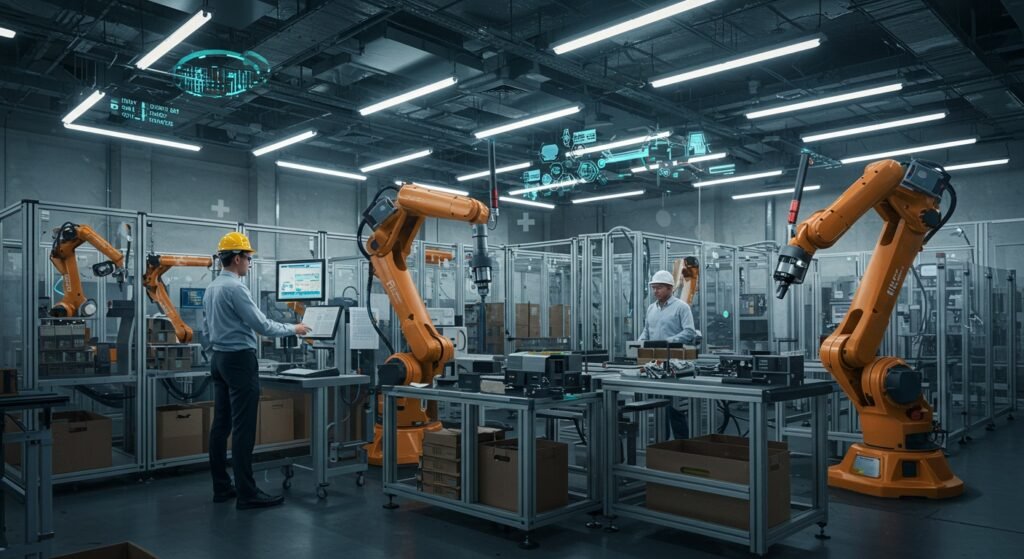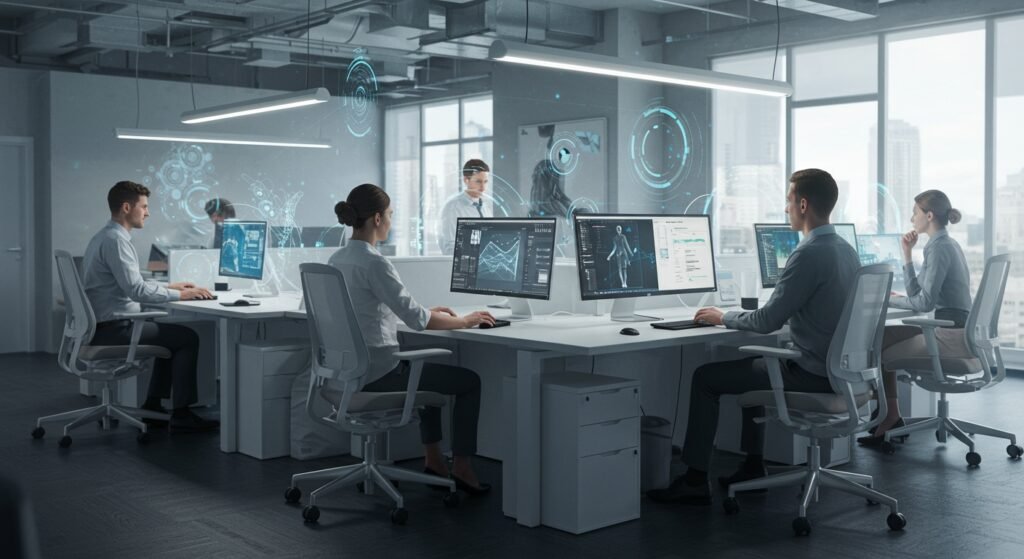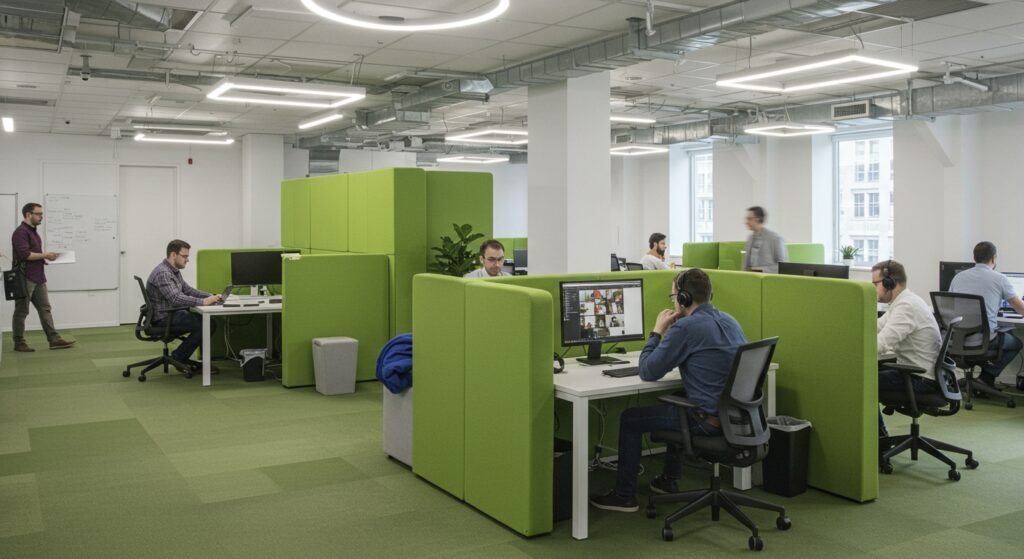
The modern engineering landscape is constantly evolving, demanding innovative approaches not just in product development, but also in how teams operate. Central to this shift is the concept of flexible work environments. No longer are engineers confined to rigid office spaces; instead, companies are embracing models that prioritize adaptability, autonomy, and well-being. This article explores the critical elements in designing effective flexible work environments specifically tailored for engineers, ensuring both productivity and satisfaction.
Table of Contents
- The Evolution of Engineering Workspaces
- Key Principles of Flexible Work Environments for Engineers
- Implementing a Hybrid Model: Best Practices
- Measuring Success and Continuous Improvement
The Evolution of Engineering Workspaces
For decades, the image of an engineer was synonymous with a desk in a cubicle, surrounded by blueprints and schematics. While this traditional setup offered a sense of order, it often stifled creativity and hindered cross-functional collaboration. The rise of digital tools, global teams, and agile methodologies has fundamentally altered this paradigm, pushing organizations towards more dynamic workspace solutions.
From Cubicles to Collaboration
Today’s engineering projects often require intense collaboration, brainstorming, and problem-solving sessions that are not well-served by isolated workstations. Furthermore, the global talent pool means that remote and hybrid teams are becoming the norm, necessitating infrastructure and cultural shifts that support distributed work models. The focus has moved from mere presence to impactful productivity, regardless of physical location.
Key Principles of Flexible Work Environments for Engineers
Designing truly effective flexible work environments requires a thoughtful approach that considers the unique needs of engineers. It’s about more than just allowing remote work; it’s about creating an ecosystem that empowers engineers to do their best work, whether they’re at home, in the office, or at a co-working space.
Autonomy and Trust
Engineers thrive on autonomy. Providing them with the flexibility to choose when and where they work, within reasonable project constraints, fosters trust and ownership. This means clear communication of expectations and outcomes, rather than strict adherence to schedules or locations. Trusting engineers to manage their time and tasks is foundational to a successful flexible setup.
Technology Integration
Seamless technology is the backbone of any flexible environment. This includes robust collaboration tools (e.g., video conferencing, project management software, shared code repositories), secure remote access to systems, and reliable high-speed internet. Investing in the right tools ensures that geographical distance doesn’t translate into communication barriers or productivity loss.
Ergonomics and Comfort
Whether at home or in the office, engineers spend significant hours focused on complex tasks. Providing ergonomic equipment, promoting healthy work habits, and offering resources for setting up comfortable home offices are crucial. A comfortable environment reduces strain and enhances sustained focus.
Dedicated Focus Zones
While collaboration is vital, engineers also require undisturbed time for deep work. Flexible office designs should incorporate quiet zones, private offices, or soundproof pods where individuals can concentrate without interruption. For remote workers, clear guidelines on “do not disturb” periods can achieve a similar effect.
Collaborative Spaces
Conversely, dedicated spaces for teamwork are equally important. These can range from large meeting rooms with advanced AV equipment to informal lounge areas designed for spontaneous brainstorming. The goal is to facilitate interaction and idea exchange when engineers do come together in person, making their office visits highly valuable.

Implementing a Hybrid Model: Best Practices
The hybrid model, combining remote and in-office work, often represents the most practical form of flexible work environments for many engineering teams. Successfully implementing it requires careful planning and continuous adaptation.
Pros and Cons of Hybrid Work for Engineers
| Aspect | Pros of Hybrid Model | Cons of Hybrid Model |
|---|---|---|
| Productivity | Increased focus time, reduced commute stress | Potential for communication silos, scheduling complexities |
| Collaboration | Targeted in-person sessions, improved team bonding | “Out of sight, out of mind” for remote team members |
| Talent Acquisition | Wider talent pool, enhanced employer branding | Logistical challenges for equipment and IT support |
| Work-Life Balance | Greater personal flexibility, reduced burnout risk | Blurring lines between work and home, unequal experiences |
When implementing a hybrid model, establishing clear guidelines for office days, virtual meetings, and team rituals is essential. Regularly solicit feedback from engineers to understand what is working and what needs adjustment. For further insights on creating engaging remote work policies, check out this Forbes article.
Measuring Success and Continuous Improvement
The success of flexible work environments isn’t just about implementing policies; it’s about continuously measuring their impact and adapting as needed. Key metrics might include engineer retention rates, project completion times, innovation output, and employee satisfaction surveys. Regularly reviewing these indicators helps refine policies and ensures the environment remains effective.
Consider conducting regular pulse surveys and one-on-one check-ins. For example, understanding how different teams leverage optimized software development workflows can provide valuable data on productivity in varied work settings. This iterative process ensures that the flexible work environment evolves with the needs of the engineers and the organization, leading to sustained success.
Embracing flexible work environments for engineers is not merely a trend; it’s a strategic imperative. By focusing on autonomy, technology, comfort, and thoughtful design of both in-office and remote options, companies can cultivate a highly productive, engaged, and innovative engineering workforce prepared for the challenges of tomorrow.