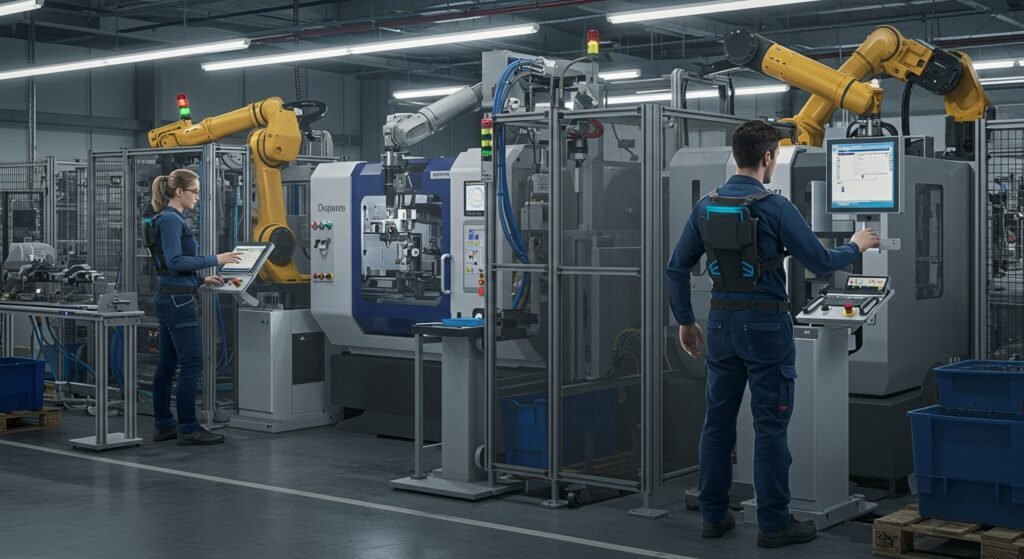
In today’s rapidly evolving professional landscape, the ability to adapt, learn, and grow is paramount. Organizations that prioritize developing human competencies within their workforce are better positioned for sustainable success and innovation. Human competencies extend beyond technical skills; they encompass a wide range of abilities, from critical thinking and problem-solving to emotional intelligence and effective communication. This article delves into the significance of fostering these competencies and outlines practical strategies for their cultivation, ensuring your team is not just equipped for today’s challenges but also prepared for tomorrow’s opportunities.

Table of Contents
- Understanding Human Competencies
- Key Strategies for Developing Competencies
- The Impact of Developing Competencies on Your Organization
Understanding Human Competencies
Before we explore strategies, it’s crucial to grasp what human competencies entail and why their development is a strategic imperative.
What Are Human Competencies?
Human competencies are the integrated set of knowledge, skills, abilities, and other characteristics that enable an individual to perform a job effectively and contribute to organizational goals. These can be broadly categorized into:
- Technical Competencies: Specific skills required for a particular job function (e.g., coding, financial analysis).
- Behavioral/Soft Competencies: Interpersonal and intrapersonal skills critical for effective collaboration and leadership (e.g., communication, teamwork, adaptability, problem-solving).
- Cognitive Competencies: Mental abilities such as critical thinking, analytical skills, and decision-making.
Why Focus on Developing Them?
The benefits of investing in competency development are multi-faceted:
- Increased Productivity: A skilled workforce performs tasks more efficiently and effectively.
- Enhanced Innovation: Employees with strong problem-solving and critical thinking skills are more likely to drive new ideas.
- Improved Employee Engagement and Retention: Investing in employees’ growth demonstrates value, leading to higher morale and reduced turnover.
- Better Adaptability to Change: A competent workforce can quickly adjust to new technologies, market shifts, and organizational changes.
- Stronger Leadership Pipeline: Developing competencies helps identify and prepare future leaders from within.
Key Strategies for Developing Competencies
Here are several proven methods for developing human competencies across your organization.
Training and Development Programs
Formal training programs are foundational. These can include workshops, online courses, seminars, and certifications tailored to specific skill gaps. For instance, a comprehensive leadership development program can significantly boost management capabilities. Organizations can also look at designing effective training initiatives.
Mentorship and Coaching
Pairing less experienced employees with seasoned professionals provides invaluable hands-on learning and guidance. Mentors can share insights, offer career advice, and help navigate challenges, while coaches can focus on specific skill improvements through targeted feedback and goal setting.
Experiential Learning and Job Rotation
Learning by doing is highly effective. Assigning employees to new projects, cross-functional teams, or temporary job rotations exposes them to different challenges and allows them to apply existing skills in new contexts, fostering versatility and a broader understanding of the business.
Performance Management and Feedback
A robust performance management system, coupled with regular, constructive feedback, is vital. It allows employees to understand their strengths and areas for improvement, setting clear pathways for development. This process often involves goal setting, continuous feedback, and periodic reviews.
| Competency Area | Development Goal Example | Feedback Mechanism | Success Metric |
|---|---|---|---|
| Communication | Improve public speaking skills | Quarterly presentation review | Clearer presentations, positive team feedback |
| Problem-Solving | Lead a complex project to resolution | Bi-weekly project status meetings | Project completed on time and budget |
| Teamwork | Effectively collaborate on cross-functional initiatives | Peer reviews, 360-degree feedback | Successful joint project outcomes |
Leveraging Technology for Skill Enhancement
Technological tools offer scalable and flexible solutions for competency development. Learning Management Systems (LMS), AI-driven personalized learning platforms, and virtual reality (VR) training simulations can provide immersive and accessible learning experiences. Explore more about HR technology trends to stay ahead in this domain.
The Impact of Developing Competencies on Your Organization
Investing in human competency development yields significant returns, transforming both individuals and the entire organization.
Enhanced Productivity and Innovation
A highly competent workforce operates with greater efficiency and is more likely to generate innovative solutions. Employees who feel empowered through skill development are more engaged and proactive, directly contributing to organizational output and creativity.
Improved Employee Engagement and Retention
When employees see that their organization is committed to their growth, it fosters a sense of loyalty and engagement. Opportunities for skill enhancement and career progression are major drivers of job satisfaction, which, in turn, helps in retaining top talent and reducing recruitment costs.
Building a Future-Ready Workforce
The business world is in a constant state of flux. By continuously developing the competencies of your employees, you build a resilient and agile workforce capable of adapting to new technologies, market demands, and strategic shifts. This proactive approach ensures your organization remains competitive and sustainable in the long term.
In conclusion, developing human competencies is not merely an HR function; it is a strategic imperative for any organization aiming for sustained growth and success. By implementing a multifaceted approach that includes training, mentorship, experiential learning, effective feedback, and leveraging technology, companies can cultivate a workforce that is not only highly skilled but also deeply engaged and ready for the future. Prioritizing people development is, ultimately, an investment in your organization’s most valuable asset.