Digital Twins in Manufacturing Studies: Revolutionizing Industry 4.0
The manufacturing landscape is undergoing a profound transformation, driven by advancements in technology and the relentless pursuit of efficiency. At the forefront of this revolution is the **digital twin**, a sophisticated virtual replica of a physical asset, process, or system. In manufacturing studies, the concept of a digital twin is proving to be a game-changer, offering unprecedented opportunities for optimization, predictive analysis, and innovation. This article delves into the critical role and immense benefits of integrating digital twins into modern manufacturing systems, paving the way for smarter and more resilient factories.

Table of Contents
- What is a Digital Twin?
- Why Digital Twins are Crucial for Manufacturing Studies
- Implementing Digital Twins: Key Considerations
- The Future of Manufacturing: Embracing Digital Twins
- Conclusion
What is a Digital Twin?
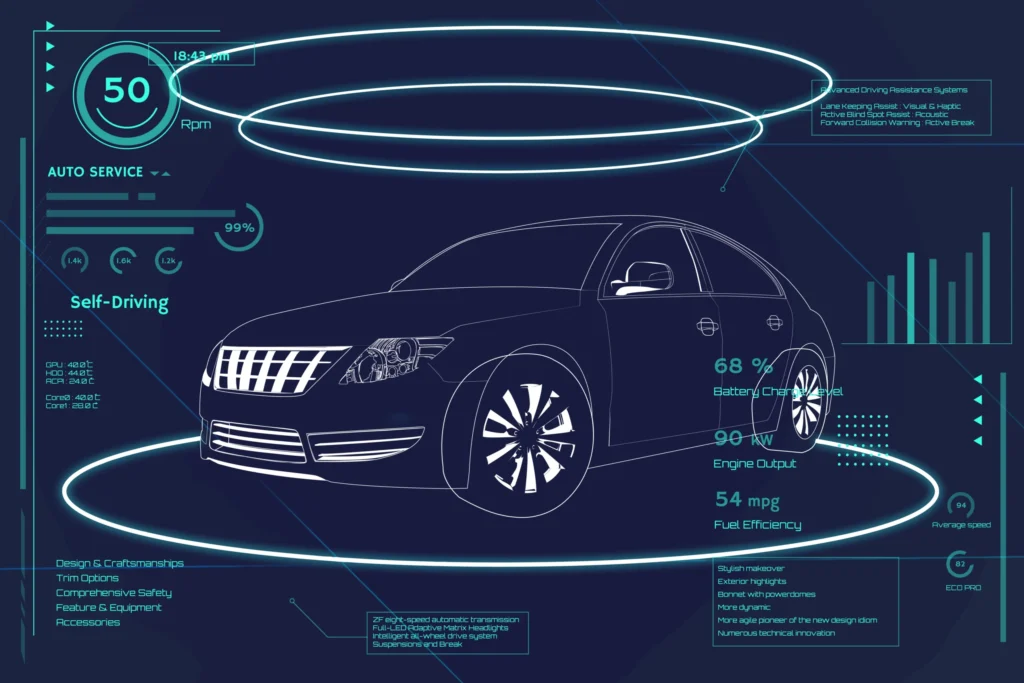
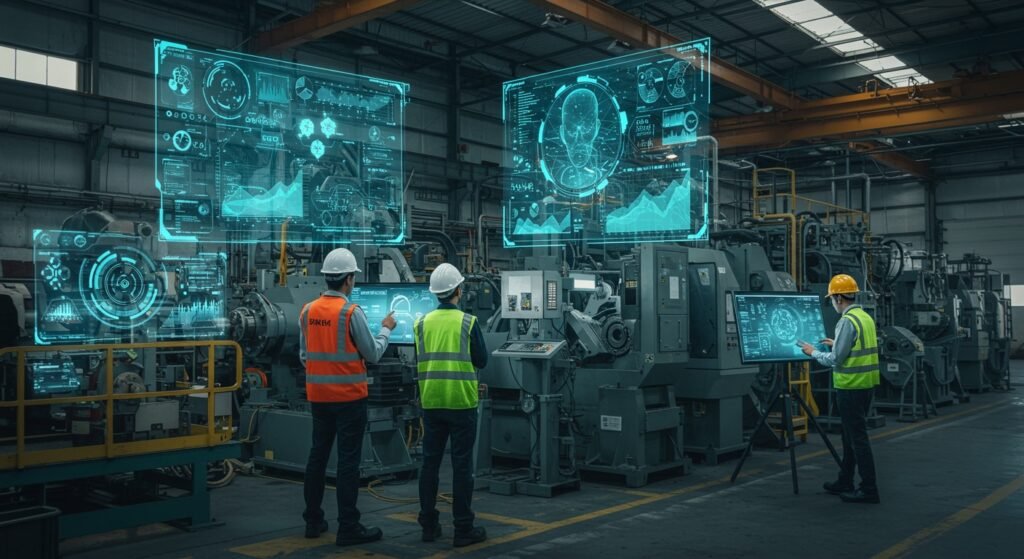
A digital twin is essentially a virtual model designed to accurately reflect a physical object. This virtual counterpart is continuously updated with real-time data from sensors attached to its physical twin. This constant data flow allows the digital model to simulate the physical object’s performance, behavior, and lifecycle in a dynamic and highly accurate manner. In manufacturing, this could be a single machine, an entire production line, or even an entire factory ecosystem. The power of a digital twin lies in its ability to bridge the gap between the physical and digital worlds, offering a comprehensive, real-time view of operations.
Why Digital Twins are Crucial for Manufacturing Studies
The application of a **digital twin** in manufacturing studies brings a multitude of advantages, significantly impacting efficiency, decision-making, and long-term planning.
Enhanced Predictive Maintenance
One of the most immediate and impactful benefits is the ability to implement sophisticated predictive maintenance strategies. By constantly monitoring the condition of machinery through its digital twin, manufacturers can detect potential failures before they occur. This proactive approach minimizes downtime, reduces maintenance costs, and extends the lifespan of critical equipment. Data patterns and anomalies identified in the virtual model can trigger alerts, allowing for timely interventions.
Optimized Production Processes
Digital twins provide real-time insights into the performance of production lines and processes. Engineers can simulate various scenarios, test changes, and optimize workflows in the virtual environment without disrupting physical operations. This leads to improved resource utilization, reduced waste, and enhanced product quality. For example, a digital twin can model the flow of materials, identify bottlenecks, and suggest optimal scheduling to maximize throughput.
Risk Reduction and Simulation
Before any physical changes or new designs are implemented, they can be rigorously tested within the digital twin environment. This significantly reduces the risks associated with deploying new systems or making modifications to existing ones. Complex ‘what-if’ scenarios, such as the impact of supply chain disruptions or sudden changes in demand, can be simulated, allowing manufacturers to develop robust contingency plans and make informed decisions.
Implementing Digital Twins: Key Considerations
Adopting digital twin technology requires careful planning and execution. Key considerations include robust sensor integration for real-time data collection, secure data infrastructure, and the analytics capabilities to interpret the vast amounts of data generated. Furthermore, integrating AI and machine learning algorithms can enhance the predictive power and self-optimization features of the digital twin. Understanding the scope, from a single asset to an entire factory, is crucial for successful deployment.
| Feature | Traditional Simulation | Digital Twin |
|---|---|---|
| Data Source | Static/Pre-defined | Real-time (sensors) |
| Interaction | Limited, one-way | Continuous, dynamic |
| Purpose | Design & Analysis | Monitoring, Prediction, Optimization |
| Accuracy | Model-dependent | High, reflects live system |
| Cost | Initial setup | Initial setup + ongoing data infrastructure |
For more insights into related technologies, explore our article on Industry 4.0 Applications.
The Future of Manufacturing: Embracing Digital Twins
The trajectory of manufacturing clearly points towards an increasing reliance on digital twins. As technologies like the Internet of Things (IoT), artificial intelligence, and cloud computing continue to evolve, the capabilities of digital twins will only expand. We can anticipate more interconnected digital twins, forming a ‘system of systems’ that can model entire global supply chains. This integration promises a future where manufacturing is more agile, sustainable, and responsive to market demands than ever before. For further reading on industrial advancements, you might find this external resource insightful: GE Digital on Industry 4.0.
Conclusion
The **digital twin** is far more than just a buzzword; it’s a foundational technology for the next era of manufacturing. By enabling precise monitoring, predictive analytics, and virtual testing, it empowers manufacturers to achieve unprecedented levels of efficiency, resilience, and innovation. For manufacturing studies, understanding and harnessing the power of digital twins is not just an advantage—it’s a necessity for staying competitive and driving progress in the dynamic landscape of Industry 4.0. The benefits are clear, offering a strategic pathway to a more intelligent and productive industrial future.