Industrial Symbiosis: How Factories Can Collaborate for Zero Waste
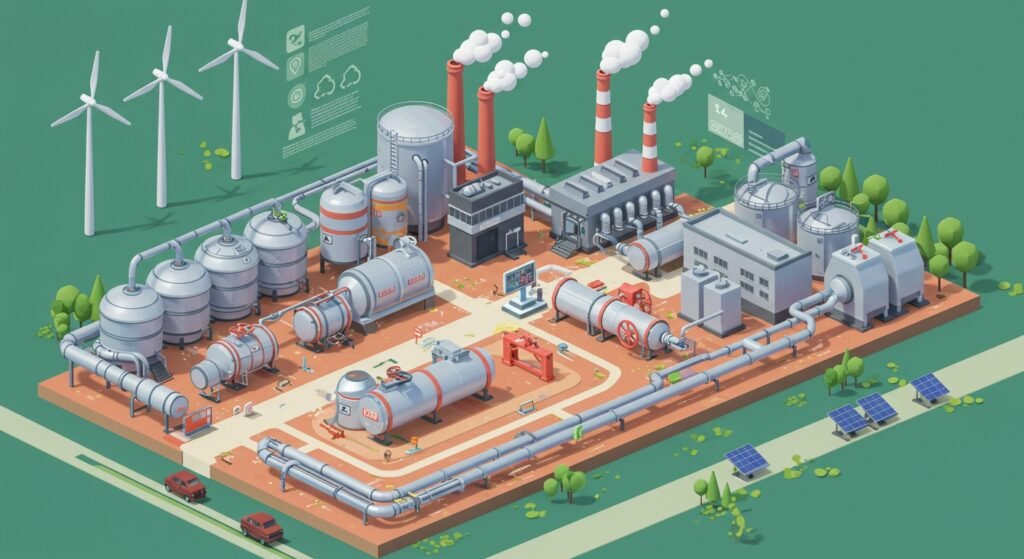
The vision of a zero-waste future for industrial operations might seem ambitious, but it’s increasingly becoming a tangible reality thanks to the powerful concept of industrial symbiosis. This innovative approach moves beyond traditional waste management, fostering a collaborative ecosystem where waste or by-products from one industry become valuable raw materials for another. Imagine factories working together, sharing resources, and collectively striving towards a truly circular economy. This article will delve into the transformative potential of industrial symbiosis, exploring how these powerful networks can turn industrial waste into new opportunities, driving sustainability and unprecedented efficiency.

Table of Contents
- What is Industrial Symbiosis?
- The Transformative Benefits of Industrial Symbiosis
- How Factories Implement Industrial Symbiosis
- Challenges and Practical Solutions
- The Future of Circular Manufacturing
What is Industrial Symbiosis?
At its core, industrial symbiosis describes a network where geographically proximate and diverse industries physically exchange materials, energy, water, and by-products. It’s a key component of the circular economy, emphasizing closing material loops and maximizing resource utilization. Instead of linear production models where resources are extracted, used, and then discarded as waste, industrial symbiosis encourages a systemic approach. Think of it like a natural ecosystem where nothing goes to waste; the output of one organism becomes input for another. This collaborative strategy significantly reduces virgin material consumption and landfill burden.
The Transformative Benefits of Industrial Symbiosis
The adoption of industrial symbiosis offers a multi-faceted array of advantages, impacting environmental, economic, and social spheres.
Enhanced Resource Efficiency
By transforming one factory’s waste into another’s feedstock, the overall demand for new raw materials decreases substantially. This direct reuse and recycling within an industrial network optimizes the flow of resources, leading to higher efficiency and reduced reliance on finite resources. Companies involved in industrial symbiosis often report significant reductions in material costs and operational expenses.
Achieving Zero Waste & Waste Reduction
Perhaps the most compelling benefit is the dramatic reduction in waste sent to landfills. By identifying previously discarded materials as valuable resources, companies in a symbiotic network actively work towards a zero-waste objective. This doesn’t just mean less landfill space; it means less pollution associated with waste disposal and greater corporate responsibility. This pursuit of zero waste is a powerful driver for innovation in process optimization.
Significant Economic Advantages
Participating companies can realize substantial cost savings through reduced waste disposal fees, lower raw material procurement costs, and even new revenue streams from selling by-products. Furthermore, the collaborative nature can lead to shared infrastructure costs and improved operational resilience against supply chain disruptions. The economic case for industrial symbiosis is becoming increasingly undeniable.
Positive Environmental Impact
Beyond waste reduction, industrial symbiosis contributes to a smaller environmental footprint. It can lead to decreased energy consumption (e.g., using waste heat), lower greenhouse gas emissions, and reduced water usage. The overall ecological benefits are immense, helping industries meet stricter environmental regulations and enhance their sustainability credentials.
How Factories Implement Industrial Symbiosis
Establishing an effective industrial symbiosis network requires strategic planning, open communication, and often, governmental or regional support.
Identifying Synergies and Opportunities
The first step involves a detailed analysis of waste streams, by-products, and resource demands across various industries within a geographical area. Workshops, material flow analysis, and technology scouting are crucial to identify potential matches. For example, a power plant’s waste heat could be used by a greenhouse, or fly ash from a cement plant could be used in construction materials.
Technology & Infrastructure for Collaboration
Successful industrial symbiosis often relies on shared infrastructure, such as pipelines for water or steam, or common treatment facilities. Investment in compatible technologies that can process or utilize diverse waste streams is also vital. Digital platforms can facilitate the exchange of information about available resources and needs, connecting potential partners.
Real-World Examples of Industrial Symbiosis
The concept of industrial symbiosis has been successfully implemented in various forms globally. Here are a few notable examples illustrating diverse collaborations:
| Location/Network | Key Participants | Symbiotic Exchange Examples |
|---|---|---|
| Kalundborg Eco-industrial Park, Denmark | Power Plant, Oil Refinery, Plasterboard Manufacturer, Pharmaceutical Company | Waste heat for district heating/aquaculture, fly ash for cement, sulfur for sulfuric acid. |
| National Industrial Symbiosis Programme (NISP), UK | Multiple diverse industries nationwide | Broad range of material and energy exchanges, e.g., food waste to biogas, packaging waste to new products. |
| Kashima Industrial Complex, Japan | Steelworks, Chemical Plants, Power Plants | Sharing steam, industrial gases, and by-products like gypsum. |
These examples demonstrate the vast potential for resource sharing and collective sustainability that industrial symbiosis offers.
Challenges and Practical Solutions
While the benefits are clear, implementing industrial symbiosis isn’t without its hurdles. Challenges can include identifying suitable partners, overcoming logistical complexities, establishing trust between companies, and navigating regulatory frameworks. Solutions involve dedicated facilitators (like those in the World Alliance for Industrial Symbiosis), clear contractual agreements, supportive government policies, and technological advancements that simplify material tracking and exchange. Moreover, a robust communication strategy is paramount to build and maintain these collaborative networks.
The Future of Circular Manufacturing
As the world increasingly shifts towards sustainable practices, industrial symbiosis stands out as a critical pathway to achieving a truly circular economy. It transforms the concept of waste, not as an end-product to be disposed of, but as a valuable resource waiting to be repurposed. By fostering collaboration and innovation, factories can collectively move towards zero waste, enhancing their environmental stewardship while simultaneously unlocking new economic efficiencies. To learn more about broader circular economy principles, explore our article on Circular Economy Benefits for Business.
The journey towards zero waste through industrial symbiosis is a testament to human ingenuity and the power of collaboration. It’s a future where industry and environment thrive in harmony.