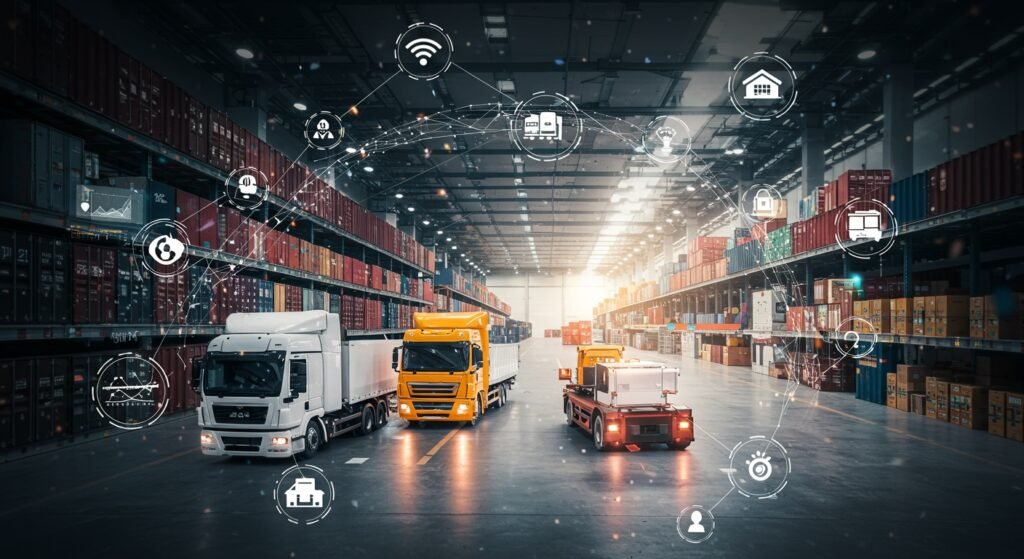
Innovation in Supply Chain Management: A New Era of Efficiency
The global landscape of commerce is constantly evolving, and at its heart lies the intricate web of supply chains. In an increasingly complex and interconnected world, the relentless pursuit of Innovation has become not just a competitive advantage, but a necessity for survival in supply chain management. From raw materials to the final consumer, every step is being scrutinized, optimized, and reinvented through groundbreaking technologies and strategic thinking. This article explores how innovation is reshaping the foundations of logistics, driving unprecedented levels of efficiency, sustainability, and resilience across industries.

Table of Contents
- Introduction: The Imperative of Innovation
- Digital Transformation Driving Supply Chain Innovation
- Key Technologies Fueling the Change
- Benefits of Innovative Supply Chain Strategies
- Navigating the Challenges of Implementation
- Real-World Examples of Innovation
- The Future of Supply Chain Innovation
- Conclusion: Embracing Continuous Evolution
Introduction: The Imperative of Innovation
As businesses face unprecedented disruptions – from geopolitical shifts to climate change and pandemics – the traditional linear supply chain model is proving insufficient. Modern supply chains demand agility, transparency, and predictive capabilities. This is where innovation steps in, offering solutions that transform reactive operations into proactive, resilient ecosystems. The push for smarter, more efficient, and sustainable supply chains is universal, impacting every sector from manufacturing to retail.
Digital Transformation Driving Supply Chain Innovation
Digital transformation is the backbone of modern supply chain innovation. It involves integrating digital technologies into all areas of a business, fundamentally changing how it operates and delivers value. For supply chains, this means moving away from siloed systems and manual processes towards an integrated, data-driven approach. This shift enables real-time visibility, improved decision-making, and enhanced collaboration across the entire network.
Key Technologies Fueling the Change
Several groundbreaking technologies are at the forefront of this transformation:
Artificial Intelligence and Machine Learning
AI and ML algorithms are revolutionizing forecasting, demand planning, and inventory management. They can analyze vast datasets to identify patterns, predict disruptions, and optimize routes, leading to significant cost savings and improved service levels. For instance, predictive analytics powered by AI can anticipate equipment failures, enabling proactive maintenance and preventing costly downtimes.
Blockchain for Transparency and Trust
Blockchain technology offers an immutable, distributed ledger that can track products from origin to destination. This enhances transparency, verifies authenticity, and improves traceability, which is crucial for compliance, quality control, and combating counterfeit goods. Companies like IBM Food Trust demonstrate how blockchain can provide end-to-end visibility in complex food supply chains, ensuring safety and accountability.
IoT and Robotics in Warehousing
The Internet of Things (IoT) enables real-time monitoring of goods and assets, providing critical data on location, temperature, and condition. Robotics and automation in warehouses, from automated guided vehicles (AGVs) to collaborative robots (cobots), streamline picking, packing, and sorting processes, drastically increasing efficiency and reducing human error. This synergy empowers smart warehouses to operate with unparalleled precision and speed. For further reading on automation, check out our guide to warehouse automation.
Cloud Computing and Advanced Analytics
Cloud platforms provide the scalable infrastructure needed to process and store the massive amounts of data generated by modern supply chains. Advanced analytics tools then transform this data into actionable insights, enabling better strategic planning and operational adjustments. This accessibility to powerful computing resources democratizes complex analysis, making it available to a wider range of businesses.
Benefits of Innovative Supply Chain Strategies
Embracing innovation brings a multitude of benefits:
- Enhanced Efficiency: Automation, AI, and optimized processes reduce operational costs and cycle times.
- Improved Resiliency: Better visibility and predictive analytics help in anticipating and mitigating disruptions.
- Increased Sustainability: Optimized routes, reduced waste, and responsible sourcing contribute to a greener footprint. For more insights into eco-friendly practices, explore our article on sustainable logistics practices.
- Greater Customer Satisfaction: Faster, more reliable deliveries and personalized experiences improve customer loyalty.
- Competitive Advantage: Companies that innovate can outpace competitors in speed, cost, and service quality.
Navigating the Challenges of Implementation
While the benefits are clear, implementing innovative solutions comes with its own set of challenges. These include high initial investment costs, the need for skilled talent, integrating legacy systems with new technologies, and managing organizational change. A phased approach, strong leadership, and continuous training are vital for successful adoption. Furthermore, data security and privacy concerns must be addressed proactively to build trust and ensure compliance.
Real-World Examples of Innovation
Many companies are already reaping the rewards of innovative approaches:
| Company | Innovation Focus | Impact |
|---|---|---|
| Amazon | Robotics & AI in Fulfillment | Faster delivery, reduced operational costs, enhanced scalability |
| Maersk | Digitalization & Blockchain | Improved shipping transparency, reduced paperwork, increased efficiency in global trade |
| Walmart | IoT & Predictive Analytics | Optimized inventory, reduced waste, enhanced freshness for perishable goods |
| Unilever | Sustainable Sourcing & Traceability | Ethical supply chain, reduced environmental impact, improved brand reputation |
These examples highlight the diverse ways innovation is being applied and the transformative impact it can have across different industries.
The Future of Supply Chain Innovation
The future of supply chain management will be defined by even deeper integration of advanced technologies. Expect to see further developments in autonomous logistics (drones, self-driving trucks), hyper-personalization, and the increasing adoption of digital twins for simulating and optimizing entire supply networks. The focus will remain on creating highly responsive, predictive, and sustainable supply chains that can adapt to any foreseeable and unforeseeable challenge. The concept of “Supply Chain as a Service” (SCaaS) may also gain traction, allowing businesses to outsource complex logistics functions to specialized providers leveraging cutting-edge innovations.
Conclusion: Embracing Continuous Evolution
Innovation is not a one-time project but a continuous journey for supply chain management. Businesses that embrace this mindset and invest in emerging technologies will be better positioned to navigate complexities, seize new opportunities, and deliver superior value to their customers. The path forward requires strategic vision, collaborative ecosystems, and a commitment to leveraging data-driven insights to build the resilient, efficient, and sustainable supply chains of tomorrow. The ability to adapt and innovate will truly differentiate market leaders in the coming years.