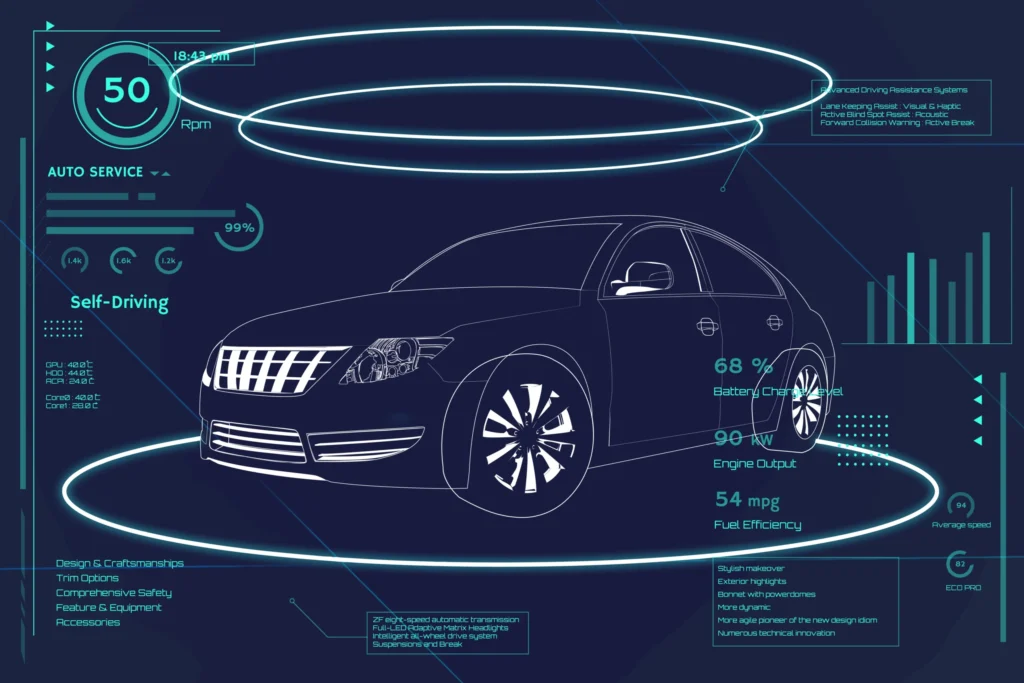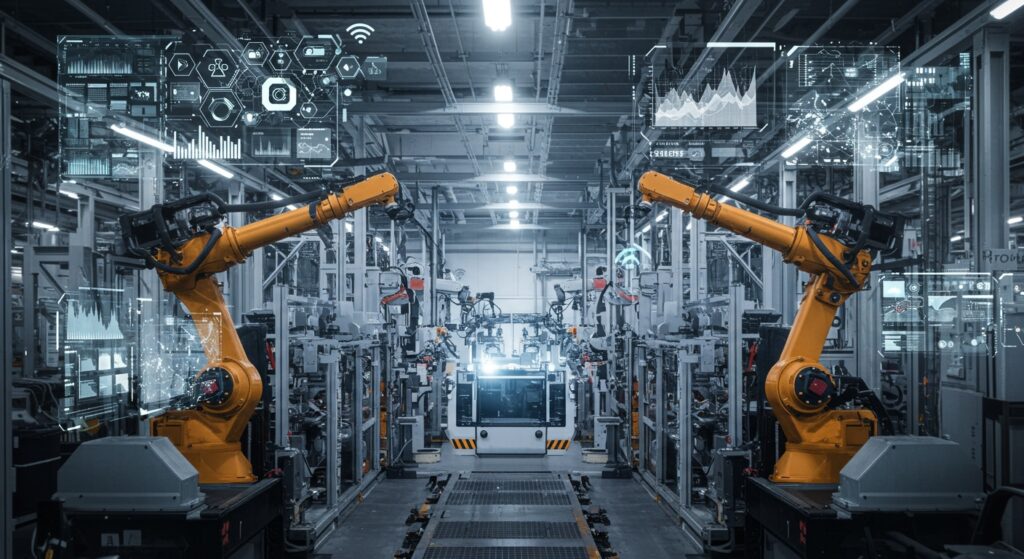
The landscape of modern industry is undergoing a profound transformation, driven by the integration of advanced technologies known collectively as intelligent systems. These systems, leveraging artificial intelligence, machine learning, and sophisticated data analytics, are redefining efficiency, productivity, and innovation across manufacturing, logistics, and resource management. For aspiring PhD candidates, this rapidly evolving field presents a wealth of exciting and impactful research directions. This article explores some of the most promising avenues for doctoral studies, offering insights into how your research can contribute to the next generation of industrial intelligence.
Table of Contents
- The Rise of Intelligent Industrial Systems
- Key Research Pillars for PhD Studies
- Navigating Your PhD Journey in Intelligent Systems
The Rise of Intelligent Industrial Systems
Industry 4.0, the fourth industrial revolution, is characterized by the convergence of digital and physical technologies. At its core are intelligent systems that enable machines, processes, and people to communicate and collaborate seamlessly. This paradigm shift offers unprecedented opportunities for optimization, personalization, and sustainable development. PhD research in this domain is crucial for pushing the boundaries of what’s possible, addressing complex challenges, and creating resilient, adaptive industrial environments.
Defining Intelligent Systems in Industry
Intelligent industrial systems encompass a broad spectrum of technologies, from smart sensors and interconnected devices to advanced AI algorithms and autonomous robotics. They are designed to collect, analyze, and act upon data in real-time, facilitating predictive capabilities, self-optimization, and intelligent decision-making at every level of an operation. Understanding the interplay of these components is fundamental to impactful research.

Key Research Pillars for PhD Studies
For doctoral candidates looking to make a significant contribution, several research areas stand out due to their potential for innovation and practical application:
AI-Driven Automation and Robotics
Investigating the next generation of autonomous robots, collaborative robotics (cobots), and AI-powered automation frameworks that can perform complex tasks with minimal human intervention. Research could focus on learning algorithms for robot adaptability, human-robot interaction safety, or distributed AI for swarm robotics in manufacturing.
Predictive Maintenance and Digital Twins
Developing sophisticated models for predicting equipment failure using machine learning on sensor data. Integrating these models with digital twin technology to create virtual replicas of physical assets, allowing for real-time monitoring, simulation, and proactive maintenance strategies is a fertile ground for discovery. This enhances the reliability and lifespan of industrial assets.
Cybersecurity for Industrial IoT (IIoT)
As industrial systems become more interconnected, securing them against cyber threats is paramount. PhD research can explore novel encryption methods, anomaly detection algorithms specifically for IIoT networks, or secure protocols for communication between smart factory components. The integrity of these intelligent systems depends heavily on robust security measures.
Human-Robot Collaboration and Ergonomics
Focusing on optimizing the interaction between human workers and intelligent machines. This includes designing intuitive interfaces, studying the psychological impact of automation, and developing AI systems that can adapt to human preferences and limitations to create safer, more efficient, and more satisfying work environments.
Sustainable Manufacturing with AI
Exploring how AI and intelligent systems can contribute to greener industrial practices. This might involve optimizing energy consumption in production lines, minimizing waste through smart resource allocation, or developing circular economy models driven by AI for material recovery and recycling.
Edge AI for Real-time Decision Making
Research into deploying AI capabilities directly on industrial edge devices, reducing latency and reliance on cloud infrastructure. This enables immediate decision-making for critical processes, enhancing responsiveness and data privacy within operational technology (OT) environments.
| Research Area | Primary Focus | Potential Impact |
|---|---|---|
| AI-Driven Automation | Advanced robotics, autonomous operations | Increased efficiency, lower labor costs |
| Predictive Maintenance | Equipment reliability, digital twins | Reduced downtime, extended asset life |
| Cybersecurity for IIoT | Secure industrial networks | Enhanced data integrity, operational safety |
| Human-Robot Collaboration | Ergonomics, human-machine interfaces | Improved worker safety, productivity |
Navigating Your PhD Journey in Intelligent Systems
Embarking on a PhD in intelligent systems requires not only deep theoretical understanding but also practical acumen. Consider tailoring your research to address real-world industrial problems. This approach ensures your work has tangible impact and opens doors to future collaborations.
Considerations for Research
When choosing a specific research topic, evaluate the availability of datasets, computational resources, and potential for interdisciplinary collaboration. For more general advice on structuring your doctoral work, you might find valuable resources on effective PhD research methodologies.
Collaboration with Industry
Many universities have strong ties with industrial partners, offering opportunities for applied research and access to proprietary data. Engaging with industry leaders, such as those showcased on the World Economic Forum’s Industry 4.0 initiatives, can provide invaluable insights and real-world context for your studies.
Conclusion
The field of intelligent industrial systems is dynamic and offers boundless opportunities for groundbreaking PhD research. From enhancing automation and security to fostering sustainability and human-machine synergy, your doctoral work can play a pivotal role in shaping the factories, supply chains, and industrial operations of tomorrow. By focusing on these cutting-edge directions, you can contribute to a more efficient, resilient, and intelligent industrial future.