Robotics Technologies in Modern Factories: Revolutionizing Industry
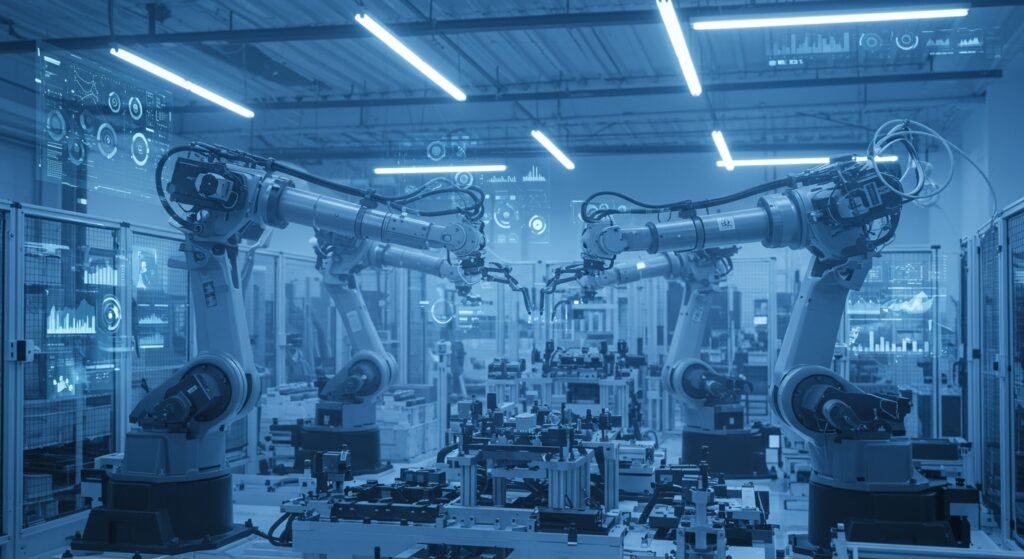
Modern factories are undergoing a profound transformation, largely driven by the rapid advancements in Robotics. These sophisticated machines are no longer confined to sci-fi movies; they are integral to the daily operations of manufacturing plants worldwide. From streamlining complex assembly lines to enhancing workplace safety, the integration of robotics is redefining efficiency and productivity standards. This article delves into the diverse ways robotics technologies are reshaping contemporary industrial landscapes, offering insights into their current applications and future potential.
Table of Contents
- Introduction
- The Dawn of Advanced Robotics in Manufacturing
- Key Robotics Technologies Driving Factory Transformation
- The Impact of Robotics on Workforce and Productivity
- Future Trends in Industrial Robotics
- Conclusion
The Dawn of Advanced Robotics in Manufacturing
The journey of industrial automation began decades ago, but the sophistication of today’s robotics is unprecedented. Modern robots are equipped with advanced sensors, AI-driven decision-making capabilities, and enhanced mobility, allowing them to perform tasks with accuracy and consistency far beyond human capabilities.
Enhanced Precision and Speed
One of the most immediate benefits of integrating robotics into factory operations is the dramatic improvement in precision and speed. Tasks requiring intricate movements or repetitive actions can be executed with micro-level accuracy at high velocities, significantly reducing errors and bottlenecks. This leads to higher quality products and faster production cycles, which are crucial in today’s competitive global market.
Boosting Safety and Reducing Human Risk
Hazardous environments and repetitive strain injuries are common challenges in manufacturing. Robotics excel in taking over dangerous tasks, such as handling heavy loads, working with toxic materials, or operating in extreme temperatures. By deploying robots in these roles, factories can drastically improve worker safety records and create a healthier work environment.
Key Robotics Technologies Driving Factory Transformation
The field of robotics is diverse, encompassing a range of technologies, each designed to address specific industrial needs. Understanding these categories helps appreciate the breadth of their application.
Types of Industrial Robotics
| Type of Robot | Primary Function | Key Benefits |
|---|---|---|
| Articulated Robots | Welding, material handling, assembly | High flexibility, wide range of motion |
| SCARA Robots | Pick-and-place, assembly, packaging | High speed, precision, compact footprint |
| Delta Robots | High-speed pick-and-place, food packaging | Extremely fast, precise, light payloads |
| Gantry/Cartesian Robots | Large-scale material handling, dispensing | High accuracy, handles heavy loads, large work envelope |
| Collaborative Robots (Cobots) | Assembly, inspection, machine tending (human interaction) | Safe human interaction, easy programming, flexible deployment |
Collaborative Robotics (Cobots)
A significant innovation in industrial robotics is the rise of collaborative robots, or cobots. Designed to work alongside human employees without safety cages, cobots enhance human capabilities by assisting with tasks that require strength, endurance, or repetitive motion. Their ease of programming and adaptability make them ideal for small and medium-sized enterprises (SMEs) looking to introduce automation without extensive infrastructure changes.
Autonomous Mobile Robots (AMRs)
Autonomous Mobile Robots (AMRs) are transforming internal logistics. Unlike traditional Automated Guided Vehicles (AGVs) that follow fixed paths, AMRs navigate dynamic environments using sensors, cameras, and AI, optimizing routes and avoiding obstacles. They are crucial for transporting materials, tools, and finished products across factory floors, significantly improving material flow and reducing manual labor in logistics.
AI and Machine Learning Integration
The true power of modern robotics is amplified by the integration of Artificial Intelligence (AI) and Machine Learning (ML). These technologies enable robots to learn from experience, adapt to new tasks, and make intelligent decisions in real-time. Predictive maintenance, quality control through visual inspection, and dynamic task allocation are just a few areas where AI-powered robotics are making a profound impact.
The Impact of Robotics on Workforce and Productivity
The introduction of advanced Robotics into factories often raises questions about its impact on human workers. While some fear job displacement, the reality is a shift towards new roles and upskilling opportunities. Robots take over monotonous and dangerous tasks, freeing human workers to focus on more complex problem-solving, supervision, and innovation. This collaboration between humans and robots leads to a significant increase in overall factory productivity and efficiency. Businesses can achieve higher output with better quality, ultimately leading to greater profitability and competitiveness. For further insights into industry automation trends, you might want to visit an industry resource like Robotics Online. For internal discussions on optimizing supply chains, consider reading our guide on supply chain logistics.
Future Trends in Industrial Robotics
The future of robotics in factories is exciting and full of potential. We can expect to see further advancements in human-robot collaboration, with more intuitive interfaces and adaptable robotic systems. The integration of IoT (Internet of Things) will create more connected and intelligent factory ecosystems, where robots, machines, and systems communicate seamlessly. Furthermore, advancements in machine vision and haptic feedback will enable robots to perform even more delicate and nuanced tasks, blurring the lines between what humans and machines can achieve. The drive towards sustainability will also see robots optimized for energy efficiency and resource conservation.

Conclusion
Robotics technologies are not just tools; they are foundational elements of the modern factory. By enhancing precision, boosting safety, and supercharging productivity, they are enabling manufacturing industries to reach new heights of efficiency and innovation. As these technologies continue to evolve, the factories of tomorrow will be smarter, safer, and more productive, driven by the powerful synergy of human ingenuity and robotic capabilities. The journey of industrial transformation through robotics is just beginning, promising a future of unprecedented growth and technological marvels.