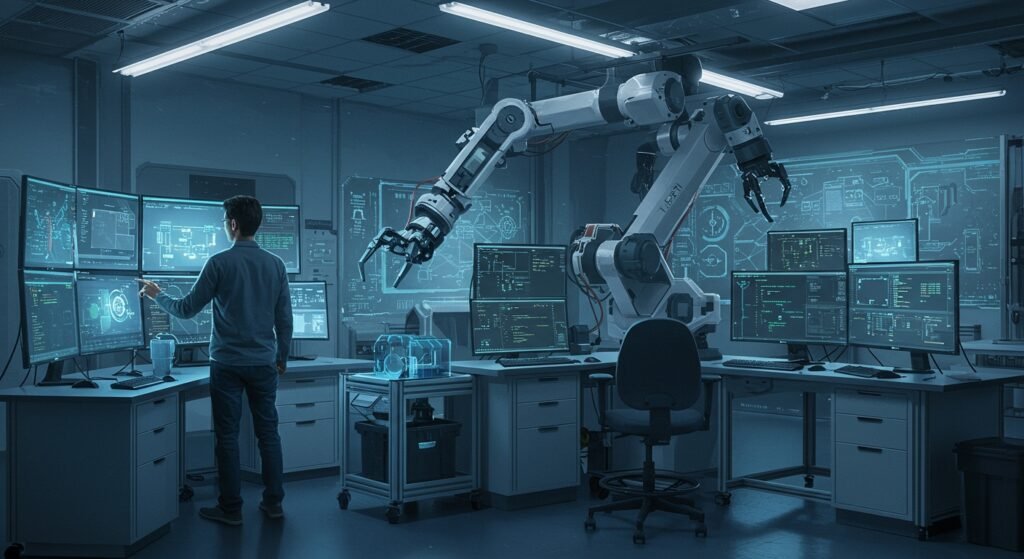
Unlocking the Future: Top 5 Robotics and Automation Courses for MSc Students
The field of robotics and automation is rapidly transforming industries worldwide, from manufacturing to healthcare. As technology advances, so does the demand for highly skilled professionals capable of designing, implementing, and managing these complex systems. For ambitious graduates looking to specialize and make a significant impact, pursuing an MSc in robotics offers an unparalleled opportunity to delve deep into cutting-edge theories and practical applications. This comprehensive guide explores the essential aspects of advanced robotics education, helping you navigate the exciting world of postgraduate studies in this dynamic discipline. The transformative power of intelligent machines and autonomous systems is just beginning to unfold, creating an urgent need for experts.
Table of Contents
- Why Pursue an MSc in Robotics and Automation?
- Key Course Modules in Modern Robotics Programs
- Choosing the Right Robotics Program: What to Consider
- Future Outlook: The Impact of Robotics on Industry
Why Pursue an MSc in Robotics and Automation?
An MSc in robotics and automation is more than just an academic pursuit; it’s a gateway to a future-proof career. The program equips students with advanced knowledge in areas such as artificial intelligence, machine learning, control systems, and mechanical design, all critical components of modern robotic systems. Graduates are highly sought after in diverse sectors, including aerospace, automotive, healthcare, and logistics. The interdisciplinary nature of these programs ensures a holistic understanding of how robotic systems function and interact with human environments, preparing students to be at the forefront of technological innovation.
Bridging Theory with Industrial Applications
One of the most compelling reasons to undertake an MSc in this field is the strong emphasis on practical, real-world application. Many programs incorporate project-based learning, internships, and collaborations with leading companies, allowing students to apply theoretical knowledge to solve complex industrial applications. This hands-on experience is invaluable, preparing students not just for research roles but also for immediate contributions in engineering, development, and system integration within various industries. Understanding how automation principles translate into scalable and efficient robotic solutions is a cornerstone of these advanced degrees, ensuring graduates are ready for the challenges of modern industrial environments.

Key Course Modules in Modern Robotics Programs
While specific curricula vary between institutions, most top-tier MSc programs in robotics share a common core of essential modules designed to build a robust foundation in the field. These modules typically cover the theoretical underpinnings and practical tools necessary for developing advanced robotic and autonomous systems, fostering critical thinking and problem-solving skills vital for the profession.
Core Robotics Disciplines
Students can expect to delve into subjects like Kinematics and Dynamics of Robots, exploring how robots move and interact with their surroundings. Control Systems Engineering teaches the principles of designing stable and accurate robotic movements. Sensor Technologies and Perception covers how robots “see” and “feel” their environment, using advanced sensors and data processing. Furthermore, courses in Robot Programming and Operating Systems provide the practical skills needed to bring robots to life through code and integrate them into existing infrastructure.
Advanced Automation Techniques
Beyond the core, programs often offer specializations in areas like Artificial Intelligence for Robotics, focusing on machine learning algorithms that enable robots to learn and adapt. Computer Vision for Robotics is crucial for tasks like object recognition and navigation. Mobile Robotics delves into the challenges and solutions for autonomous vehicles and mobile manipulators. Some programs also offer modules in Human-Robot Interaction, addressing the interface and safety aspects of collaborative robots, which are increasingly important in diverse settings.
| Module Category | Example Topics | Key Skills Developed |
|---|---|---|
| Robotics Fundamentals | Kinematics, Dynamics, Control Systems | Mathematical modeling, System design, Simulation |
| Perception & AI | Computer Vision, Machine Learning, Sensor Fusion | Data analysis, Algorithm development, Pattern recognition |
| Automation & Integration | PLC Programming, Industrial Networks, System Integration | Programming, Project management, Troubleshooting |
| Advanced Applications | Human-Robot Interaction, Autonomous Navigation | Ethical considerations, Advanced algorithm design, Real-world deployment |
Choosing the Right Robotics Program: What to Consider
Selecting the ideal MSc program is a critical decision. Prospective students should research universities based on several factors to ensure alignment with their career aspirations and academic interests. Factors like curriculum depth, faculty reputation, and campus resources are all paramount. Ensure the program’s structure and elective options provide the flexibility to pursue specific areas of interest within the broad field of robotics.
Research Opportunities and Faculty Expertise
Look for programs with strong research groups and faculty members whose work aligns with your interests. A vibrant research environment often means access to state-of-the-art labs, cutting-edge projects, and potential opportunities for PhD studies. Consider the university’s publications, grants, and industry partnerships. For more information on navigating postgraduate studies, you might want to review our MSc Admissions Guide.
Furthermore, consider the program’s flexibility. Does it offer thesis or non-thesis options? Are there opportunities for specialization tracks within robotics? Evaluate the alumni network and career services, as these can play a crucial role in post-graduation employment, offering valuable connections and support throughout your career journey. A strong industry connection can often lead to invaluable internship and job opportunities.
Future Outlook: The Impact of Robotics on Industry
The future of robotics is incredibly bright, with continuous innovation pushing the boundaries of what autonomous systems can achieve. From advanced manufacturing and smart factories to autonomous vehicles and surgical robots, the influence of robotics will only grow. An MSc in this field positions graduates at the forefront of this revolution, ready to contribute to solving complex global challenges and shaping the technological landscape of tomorrow. The demand for experts in automation and advanced robotics is projected to continue its upward trajectory, making an investment in this education a wise career move for anyone passionate about technology and innovation. Embrace the challenge and become a leader in the next industrial revolution.